
Yoga Instructor | B.Sc. Yogic Sciences | Yin Yoga Trainer | National Yogasana Athlete | Research based Wellness Writer | Guided Relaxation | Mirror Therapy | Know more about Riddhi Lakhera.
This article is for you if you go home every day after a lengthy commute and a demanding workday. Beginner-friendly yin yoga is a straightforward 10- to 15-minute practice for stress alleviation and profound relaxation. In this gentle, floor-based restorative yoga practice, you hold basic positions for three to five minutes while letting your body and mind progressively relax.
Working closely with Yin yoga and guided relaxation over the years has shown me that the body responds profoundly to stillness. When given the right support and time, even deeply held tension begins to release, allowing both physical and mental relaxation to unfold naturally.
What Is Yin Yoga—And What Makes It Unique?
Yin Yoga is a still practice in which postures are held for 3 to 8 minutes, working on the fascia, ligaments, and deeper myofascial tissues around the joints through gentle, sustained holds, encouraging natural fascia release over time.
The conceptual framework of Yin in Traditional Chinese Medicine (TCM) originates from Daoist cosmology, wherein Yin represents qualities of stillness, receptivity, depth, and internal nourishment.
In TCM physiology, Yin-oriented practices are believed to influence the flow of Qi through meridian pathways, particularly those associated with deeper connective and organ systems.
Although meridian theory is historically distinct from Indian yogic models, functional parallels may be observed when considered alongside the concepts of prāṇa and nāḍīs described in classical yogic literature, including the Hatha Yoga Pradipika. In the yogic framework, prāṇa denotes the vital life force that circulates through subtle channels (nāḍīs), and disruptions in its flow are associated with physiological and psychological imbalance.
Modern Yin Yoga, as systematized in the late 20th century by teachers such as Paul Grilley, incorporates prolonged, passive postural holds that target connective tissues and encourage sustained interoceptive awareness. While not historically derived from classical Haṭha traditions, such practices may indirectly support prāṇic regulation through their influence on autonomic balance, fascial hydration, and mindful breath regulation.
Emerging neurophysiological perspectives suggest that extended, low-intensity loading combined with attentional stillness may promote parasympathetic activation, thereby facilitating a subjective experience of smoother energetic flow, and help reduce stress and anxiety and improve sleep.
Even though it feels very different from active styles and traditional forms of yoga, it is quite effective in practice and also rooted in embodied experience.
Most of my students initially say, “This isn’t real exercise; there’s no sweat.” But Yin works on a different biological layer, gradually improving range of motion in joints that active training often bypasses; it complements Hatha, Vinyasa, and gym training, bringing balance to more active practices.
The 3 Tattvas of Yin Practice
Yin yoga for beginners becomes safe and meaningful when you understand these three principles.
1. Edge
Find mild to moderate sensation, not pain. I tell students to reach 60 to 80 percent intensity, never 100.
2. Stillness
Once in the pose, reduce fidgeting. Stillness allows deeper somatic awareness—the ability to notice subtle sensations within the body without reacting to them.
3. Time
Stay for 3 to 8 minutes, depending on comfort and experience. Through the knowledge about these elements, you welcome the awareness to observe. Instead of “doing nothing,” you observe breath, sensations, and thoughts, a form of gentle mindfulness that is accessible even for complete beginners.
Do you have any doubts or questions about this article?? I am Riddhi Lakhera, the author, and I would love to hear from you. Send me your question now!
Yin Yoga vs. Hatha or Vinyasa: What Is Different?
In Hatha or Vinyasa, we work muscles actively. In Yin, we lengthen the muscles and use passive stretching to target connective tissue.
Here is a simple comparison many of my Indian students find helpful:
| Aspect | Yin Yoga | Hatha/Vinyasa |
|---|---|---|
| Pace | Slow, long holds | Active, flowing |
| Focus | Connective tissue, joints | Muscles, strength |
| Breath | Natural, soft | Often guided, rhythmic |
| Sensation | Mild, sustained stretch | Dynamic effort |
| Feeling After | Calm, grounded | Energised, warm |
You can read a detailed article on Hatha Yoga and Vinyasa Yoga with recommended asanas and their benefits. You can practice Yin Yoga after gym workouts. In fact, many of my clients practice Yin Yoga in the evening to relax and even out the daily hustle.
Understanding the Three Zones of Sensation
Safety is one of the biggest concerns for beginners, especially for those with knee stiffness, lower back tightness, or long sitting habits. In the practice of Yin Yoga, we do not push to the maximum stretch. Instead, we learn to recognise different levels of sensation and stay within a safe, sustainable range.
In my classes, I guide students to develop breath awareness, observing the quality of each inhale and exhale alongside physical sensation, not just the outer shape of the pose. The table below will help you understand these three zones and how to respond to each.
| Zone | Sensation | What To Do |
|---|---|---|
| Green | Mild stretch, steady breath | Stay in the pose and breathe comfortably. This is the ideal zone for Yin Yoga. |
| Orange | Strong but dull ache, breath slightly challenged | Soften the pose slightly or add support. You should still feel in control. |
| Red | Sharp pain, pinching, tingling, or strain | Come out of the pose immediately and rest. This is a signal the body needs protection. |
Is Yin Yoga for Beginners Safe? Precautions for Back Pain, Hypermobility, Periods, and Injuries
In my classes, safety is always the first priority, especially for beginners who may already have stiffness, past injuries, or joint sensitivity. Yin yoga can be practiced safely by most people when you stay within a comfortable range and use simple support.
The table below will help you understand when Yin Yoga is suitable and when you need to modify or wait.
| Condition | Is Yin Yoga Safe for Beginners? | What I Recommend in Practice |
|---|---|---|
| Herniated or bulging disc | With care | Fold only slightly, about 30–40%. Keep the spine supported with pillows. Avoid deep forward bends, and stop if you feel pain. |
| Hypermobility (very flexible joints) | With care | Do not go to your maximum depth. Stop at a mild stretch. Focus on stability, not flexibility, to protect the joints. |
| During menstruation | Yes, with comfort | Gentle poses like Supta Baddha Konasana (Reclined Butterfly Pose) and Balasana (Child’s Pose) can feel soothing. Avoid strong pressure on the abdomen. |
| After gym or an intense workout | Yes | Wait at least 30 minutes for the body to cool down. A short 15-minute Yin session may reduce next-day stiffness. |
| Acute injury, swelling, or inflammation | No | Allow the body to heal first. Resume Yin Yoga only after pain and inflammation have settled and with professional guidance if needed. |
Desi Prop Guide: What To Use at Home
One of the most common concerns students share with me is whether they need to invest in special equipment. The good news is that most Indian homes already have everything needed for the practice, and expensive props are not necessary in the beginning.
- Bolster substitute: a firm takiya or two stacked pillows
- Yoga strap: Dupatta or long cotton belt
- Blocks: Sturdy Shoebox (filled)
- Blanket: Folded razai or shawl
There is no harm in practicing on a firm mattress if sitting on the floor is difficult. Just ensure it is not too soft.
Quick Safety Rule
Whatever you use:
- It should not wobble.
- It should not compress suddenly.
- It should not create sharp pressure points.
I often see students pushing too far because they think using props is “cheating.” In Yin Yoga, props are intelligence. Read about the benefits of yoga props.
Now that you know how to support your body comfortably, you can begin practicing a few simple Yin Yoga poses.
Yin Yoga for Beginners: 4 Easy Asanas to Start With
In my classes, I always remind students that Yin should be approached slowly, never rushed. Gently move into the pose step by step, taking over 30 to 60 seconds. Stop when you feel a mild stretch, not pain or strain. Then remain still and let your body gradually relax.
After completing each pose, rest in Savasana (Corpse Pose) for about 60 seconds before moving on to the next. If you feel any sharp or shooting pain, come out of the posture immediately.
1. Supta Baddha Konasana (Reclined Butterfly)—Hips and Lower Abdomen
- Benefit: Opens inner thighs, hip flexors, and groin—areas that tighten from prolonged sitting and desk work.
- Prop Tip: Lie back on a folded blanket to support your back and chest. Support your knees with bolsters or pillows.
- Safety: Avoid forcing knees down. Those with groin injuries keep knees higher with extra support.
Most students feel a strong stretch here. Keep the spine relaxed and grounded, not arched.
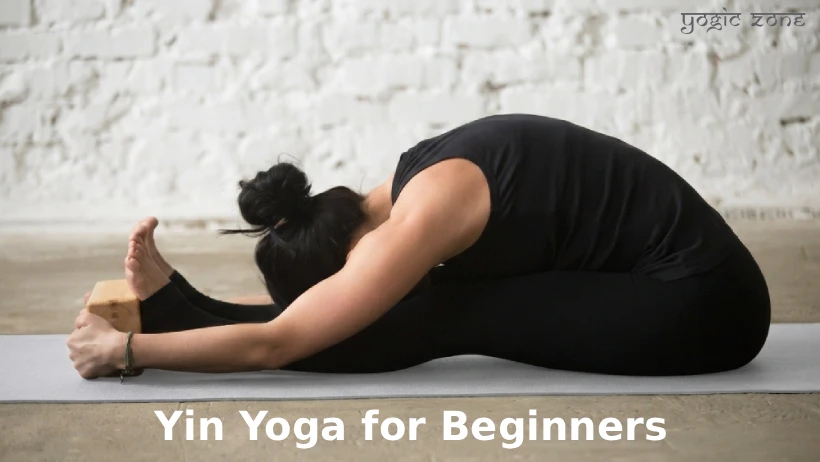
2. Paschimottanasana (Caterpillar Pose) For Spine and Hamstrings
- Benefit: Gently flexes the spine and stretches the hamstrings.
- Prop Tip: Rest chest on pillows. Bend knees slightly.
- Safety: If you have lumbar disc issues, avoid rounding deeply. Sit higher.
This pose often feels emotional. Long forward folds may bring stored tension to the surface.
3. Bhujangasana Variation (Sphinx Pose) For Lumbar Spine
- Benefit: Places the lumbar spine in gentle extension and counters slouching and long-term sitting pains.
- Prop Tip: Place a folded blanket under ribs if pressure feels intense.
- Safety: If there is sharp pain in the lumbar spine, come down immediately.
In my classes, many IT professionals feel relief here after long hours on the laptop.
4. Balasana (Child’s Pose) for back, hips, and calming
- Benefit: Activates the parasympathetic nervous system, shifting the body from stress response into rest and digest mode, while gently flexing the muscles in the hip and lower back.
- Prop Tip: Place a bolster or pillows between thighs and chest.
- Safety: If knee discomfort arises, widen knees and add padding.
Hold each pose for 2 to 5 minutes. Rest on your back between poses for 60 seconds.
This short routine works well after long commutes, desk jobs, and sedentary lifestyle patterns that leave the hips, spine, and hamstrings compressed.
How Does Yin Yoga Affect Cortisol and Stress?
Modern urban lifestyles are associated with increased psychological stress, irregular sleep patterns, and prolonged cognitive load. Chronic stress can contribute to sustained activation of the sympathetic nervous system, making relaxation more difficult. Yin Yoga involves slow transitions, minimal muscular effort, and extended holds. These elements promote relaxation by:
- Reducing overall motor activity
- Encouraging slow, steady breathing
- Increasing interoceptive awareness
Why Yin Sometimes Feels Emotional
Some students are surprised by the emotional side of Yin. As the body becomes still, the mind quietens, and the suppressed emotions may surface, showing up as irritability or even tears.
This is normal. Continue breathing gently and stay within your comfort level. If it becomes overwhelming, slowly come out of the pose and rest. This is a natural response as the nervous system unwinds and begins to regulate.
Can I Practice Yin Yoga During Periods?
Gentle Yin Yoga can be supportive during menstruation, especially when the body needs rest.
Poses like Baddha Konasana (Butterfly Pose) and supported Balasana (Child’s Pose) often feel comforting. If you have strong cramps or fatigue, avoid deep backbends or abdominal pressure. Let comfort guide your practice.
Is It Normal to Feel Sore After Yin Yoga?
Mild soreness the next day can happen because Yin works on deeper connective tissues and initiates gradual tissue remodeling. This is different from the delayed onset muscle soreness (DOMS) seen after intense exercise, and it usually settles quickly.
After practice:
- Walk slowly for a few minutes.
- Drink warm water.
- Avoid intense exercise immediately after.
The effects of Yin continue even after the practice ends.
Common Beginner Mistakes
The most common mistake is forcing depth to feel a stronger stretch. Yin works best when the body is supported, not pushed.
Some students also hold their breath or compare their pose with images online. In Yin Yoga, the outer shape matters less than steady breathing and comfort. A simple body scan—noticing where tension lives without trying to fix it—can replace the urge to push deeper. If your breath is calm, you are practicing correctly.
Yin yoga for beginners is not about flexibility or performance. It is about learning to pause. In a fast-moving Indian lifestyle, this simple daily practice can support balance between effort and ease.
From my years of teaching experience, I have seen that when students give just 15 quiet minutes to Yin, their sleep improves, their reactions soften, and their bodies feel less compressed.
This gentle yoga practice is particularly effective for anxiety relief and deep relaxation after a demanding day. Start small, use simple home props, respect your edge, and let stillness do its work.
Do you have any doubts or questions about this article?? I am Riddhi Lakhera, the author, and I would love to hear from you. Send me your question now!
Frequently Asked Questions About Yin Yoga For Beginners
Can a complete beginner do Yin Yoga?
Yes, Yin Yoga is ideal for complete beginners. No prior experience, flexibility, or strength is needed. Asanas are held passively on the floor with yoga props or simple household props, making it safe and accessible for anyone starting from zero.
How long should a beginner hold a Yin Yoga pose?
Beginners should hold each Yin Yoga pose for 2 to 3 minutes. As the body adapts over weeks of regular practice, hold times can gradually extend to 5 minutes. If the breath feels strained, ease out of the pose slightly.
How is Yin Yoga different from Restorative Yoga?
Yin Yoga applies gentle, intentional stress to fascia, ligaments, and joints to improve mobility and flexibility. Restorative Yoga uses full prop support for complete effortless relaxation. Yin requires mild sensation; Restorative should feel entirely effort-free.
Does Yin Yoga help with anxiety and poor sleep?
Yes, Yin Yoga significantly reduces anxiety and improves sleep quality. It activates the parasympathetic nervous system, shifting the body out of chronic fight-or-flight mode. Consistent daily practice promotes deeper, more restful sleep over time.
Can I practise Yin Yoga every day?
Yes, daily Yin Yoga practice is safe for most people. Unlike active styles, it targets connective tissue rather than muscles, requiring minimal recovery time. A 10 to 15 minute evening session is particularly effective for relaxation and better sleep.
Is Yin Yoga good for people with a desk job or sedentary lifestyle?
Yes, Yin Yoga is especially effective for people with sedentary lifestyles. Prolonged sitting shortens hip flexors, tightens hamstrings, and compresses the lumbar spine. Yin’s long-held poses release this compression and gradually restore joint mobility.
Do I need a yoga mat or special equipment for Yin Yoga?
No special equipment is needed to practise Yin Yoga at home. Firm pillows replace bolsters, a folded blanket substitutes for blocks, and a dupatta or cotton belt works as a yoga strap. A firm floor surface is all you need to begin.
Why do I feel emotional or want to cry during Yin Yoga?
Emotional release during Yin Yoga is normal and well documented. Long holds release tension stored in connective tissue, particularly around the hips. As the nervous system unwinds during stillness, suppressed emotions naturally rise to the surface.
Is Yin Yoga safe for people with back pain?
Yin Yoga is generally safe for back pain when practised with care. Those with herniated or bulging discs should bend only 30 to 40 percent, keep the spine supported with props, and avoid deep forward bends. Stop immediately if sharp pain occurs.