
Asst. Prof. Dept. of Ashtang Yoga Lakulish Yoga University | Certified Level-6 Yoga Therapist | Dr. GP Gautam Awardee-Best Yoga Teacher) | PEFI, Ministry of Youth Affairs & Sports | Ph.D. in Ashtang Yoga | Researcher | Ex-Yoga Coach, Univ. of Delhi. Know more about Dr. Divyansh Jain.
In my regular classes and corporate training sessions, I often see IT professionals, bankers, teachers, and even homemakers walk in with what I call the “Laptop Slouch.” Their shoulders are raised and tense, their chins jut forward, and there’s that familiar upper back tension, as if they have been carrying the weight of the world on their shoulders for months.
If you spend your day hunched over your laptop or constantly scrolling through your phone, please do not wait until the stiffness turns into chronic neck pain. Starting yoga for neck and shoulder pain early, well before the discomfort becomes a daily thing, can make a real difference to your posture and shoulder mobility in the long run.
You don’t need a 90-minute class for real relief. This article reveals how small, consistent movements can gently ease stiffness, correct your posture over time—and fit effortlessly into your day.
Why Neck and Shoulder Pain Is So Common Among Indian Professionals
From my regular interactions with students and corporate clients, I have noticed that neck and shoulder discomfort in desk workers is usually caused by a handful of very specific daily habits. These are patterns that most office workers fall into without even realising it.
1. Long hours at laptops
Leaning forward towards the screen pushes the head forward and curves the upper back. Even a few centimeters of this forward head posture increases the load on the cervical spine significantly, which is one of the most common triggers of cervical pain and neck muscle fatigue I see in my students.
2. Smartphone overuse and forward head posture
Constant phone use causes what is commonly called “tech neck.” The head drops forward while the shoulders curve inward, building tension at the base of the neck and upper back.
3. Two-wheeler and car commute strain
During long commutes, shoulders often stay slightly raised while the hands grip the handlebars or steering wheel. This steady tension can lead to what I often call “clutch shoulder” stiffness.
4. AC environments causing muscle stiffness
Cold, air-conditioned offices can make muscles tighten faster, especially when you sit still for long periods.
5. High stress in corporate roles
Stress is something people underestimate as a physical problem. When we are under pressure, it shows up in the neck, jaw, and shoulders. This kind of stress-related muscle tension is often what turns a minor ache into persistent upper-back tightness that doesn’t seem to go away, which is why many practitioners also benefit from simple yoga practices for stress relief.
Do you have any doubts or questions about this article?? I am Dr. Divyansh Jain, the author, and I would love to hear from you. Send us your question now!
Timeline for Recovery
Once you understand what is causing the discomfort, addressing it becomes a lot more easier. With the right yoga poses for neck pain and shoulder release, many of my students notice relief after just a few short practice sessions. Not because yoga is magic, but because the body responds quickly when you start moving in the right direction.
Consistent movement makes all the difference. With daily practice, stiffness eases, shoulder mobility improves, and posture begins to feel natural rather than something you have to consciously correct. Studies on 188 patients show yoga provides short-term relief from chronic neck pain, with long-term benefits sustained through regular practice.
The timeline below will give you an idea of how these improvements may benefit you with regular practice.
| Your Goal | Practices to Focus On | What You May Notice |
|---|---|---|
| Quick Relief | Griva Sanchalana (Neck Tilts), Skandha Chakra (Shoulder Rolls), Wrist Rotations | Neck and shoulders loosen within a single 5–10 minute session. |
| Reduced Stiffness and Better Mobility | Marjaryasana–Bitilasana (Seated Cat-Cow), Gentle Seated Twists, Chest-Opening Stretches | With daily practice, stiffness usually begins to ease and movement feels more comfortable within 1–2 weeks. |
| Improved Posture and Long-Term Comfort | Full routine + mindful sitting posture + small desk breaks | Over 4–6 weeks, many practitioners notice improved posture and less recurring neck and shoulder tightness. |
The 5-Minute “Quick Relief” Routine for Desk Workers
Think of this as your chair yoga reset for the workday. It is completely office-friendly, so you can practice it in a saree or formal wear, and it won’t leave you sweating between meetings. I often tell my corporate students: this is yoga at your desk, made for real life. Here are a few desk-friendly asanas you can do.
1. Griva Sanchalana (Gentle Neck Mobilisation)
Every session I teach starts here. These gentle neck stretches are where I ask everyone to begin, even if they have had a rough day and feel tempted to rush through. This movement improves circulation around the cervical area and loosens the stiffness that builds from hours of screen time.
- How to practice: Sit erect on your chair with both feet flat on the floor. Inhale and gently lengthen your spine. As you exhale, slowly drop your right ear toward your right shoulder, being careful not to lift the shoulder to meet it. Hold here for three slow breaths, feeling the stretch along the side of the neck. Repeat on the left.
- My observation and insight: What I notice most is that students want to rush because they think bigger movement means better results. It really doesn’t. In yoga, especially for neck and shoulder relief, slowness is where the actual work happens. A small, mindful movement done correctly does far more than a dramatic stretch done in a hurry.
2. Skandha Chakra (The Shoulder Reset)
Of all the shoulder mobility exercises I teach, this one often gets the most grateful reactions. It directly targets the tightness that builds in the neck and shoulders from laptop use and long commutes, and most people feel noticeably looser within a minute.
- How to practice: Place your fingertips on your shoulders. Inhale as you lift your elbows up, and exhale as you roll them back and down, drawing the largest circles possible. Do eight slow rounds, then reverse.
- Why it helps: Among all the yoga stretches for desk workers I have taught over the years, this is the one I recommend most strongly to commuters. If you spend time gripping a steering wheel or two-wheeler handlebar every day, the shoulder rolling motion directly undoes that held tension.
3. Sukshma Vyayama (The “Hidden” Reset)
People often don’t make this connection, but muscle tension works like a chain. The stiffness that comes from hours of keyboard typing starts in the forearms and wrists, then slowly travels upward until it parks itself in the shoulders.
This is why wrist and hand mobility is actually part of any good yoga routine for neck and shoulder pain.
- The Solution: Extend your arms and rotate your wrists 10 times in each direction. Spread your fingers wide, hold for 3 seconds, then make a loose fist. It is subtle enough that your colleagues won’t even notice you are practicing.
The Quick 2-Minute Reset for Commuters
For anyone who rides a bike or drives to work, I always suggest doing this quick reset before you walk through the door. It only takes two minutes, and it helps your shoulders decompress and your posture realign before you settle into your next routine, whether that is the office or home.
- Stand upright and interlace your fingers behind your back.
- Gently straighten your arms and lift them slightly to open your chest.
- Take five slow, deep breaths and allow your shoulders to relax and move back. This helps counter the curved-shoulder position created by gripping handlebars or a steering wheel.
The Home Routine for Long-Term Recovery
To shift from quick relief to genuine, lasting recovery, add these two movements to your evening yoga at home when you have a bit more space to work with. They target thoracic spine mobility, which is often the real root of chronic neck tension, and help the body truly unwind after a long day.
Marjaryasana-Bitilasana (Seated Cat-Cow)
Something I have to keep reminding students is that neck pain very often begins in the mid-back, not the neck itself.
Marjaryasana-Bitilasana works through the entire thoracic spine, which is why it feels so releasing. Inhale to gently arch your back and lift your chest; exhale to round your spine and tuck your chin. Ten rounds of this, done slowly, can genuinely shift how your neck feels.
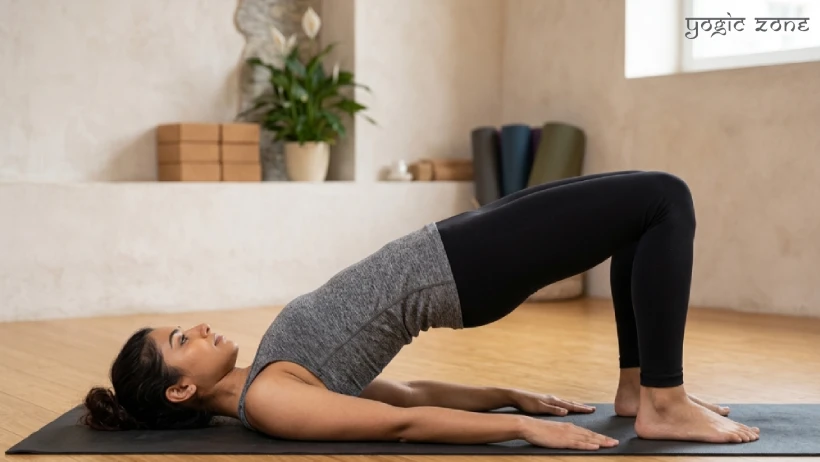
Setu Bandha Sarvangasana (Bridge Pose)
I call this the ultimate anti-slouch pose, and it’s a wonderful way to end the day. Lying on your back and lifting your hips opens the chest wide and strengthens the muscles that support a good, natural posture.
If you are too tired for the full pose, simply place a folded blanket or a thick book under your hips, or use simple yoga props that support restorative postures, and rest there for a few breaths.
Safety Notes
A few questions come up again and again in my classes around safety, and I think they are worth addressing directly. Here is a quick reference to help you practice yoga for neck and shoulder pain with confidence, especially if you have any existing conditions.
| If you have... | Modify your practice by... |
|---|---|
| Cervical Spondylosis | Avoiding full neck circles. Practice gentle side-to-side tilts only. |
| Vertigo/Dizziness | Keeping your gaze steady; avoid sudden or circular movements. |
| Recent Injury | Consulting a doctor before starting any new routine. |
| Just eaten a heavy meal | Waiting 30–45 minutes before doing the Seated Twist. |
My Tips for Lasting Change
- Phone at Eye Level: Stop dropping your head to your lap. Bring the phone to your eyes.
- Hydrate: AC rooms dehydrate your muscles, making them prone to knots.
- The 4-6 Breath: If you feel a stress headache coming on, inhale for 4 counts and exhale for 6 counts. A long exhale signals your nervous system to relax.
Yoga for neck and shoulder pain is not about how flexible you are. It is about showing up for your body consistently, giving it the movement, breathing exercises, and rest it actually needs.
In my experience, the students who see the most lasting neck pain relief are not the ones who practice the hardest. They are the ones who practice every day, even when it is just 5 minutes. Start small. Move gently. Breathe consciously.
Do you have any doubts or questions about this article?? I am Dr. Divyansh Jain, the author, and I would love to hear from you. Send us your question now!
Frequently Asked Questions About Yoga for Neck And Shoulder Pain
Can I do yoga if I have severe neck pain or cervical spondylosis?
Yes, you can, but choose gentle movements and avoid deep neck bends or pressure. If pain is severe, start slowly and consult a doctor or therapist first. Therapeutic yoga can help improve mobility and reduce stiffness over time.
Is it safe to do neck and shoulder stretches every day?
Yes, daily gentle stretches are usually safe. The neck responds well to slow, mindful movement. Avoid forcing the stretch or doing fast rotations. If you feel pain instead of mild release, reduce intensity or pause the practice.
Should I avoid certain yoga poses if I have a shoulder injury or frozen shoulder?
Yes, avoid any movement that causes pain or strain. Stick to gentle practices like Neck Tilts, Shoulder Rolls, Wrist Rotations, and • Marjaryasana-Bitilasana. Move slowly and stop if you feel sharp pain or restriction in the shoulder.
What if I feel a “click” or sharp pinch in my shoulder while doing these stretches?
Stop the movement immediately. A small click without pain may be normal, but a sharp pinch is a warning sign. Ease out of the stretch, rest the shoulder, and continue only with pain-free movements.
Can I do this yoga routine if I am sitting in an office chair, or do I need a mat?
Yes, you can do many of these movements in a chair. Gentle neck stretches, shoulder rolls, and posture resets work well at your desk. A mat helps for full practice, but a chair routine still gives quick relief.
How often should I practice this routine to see a real difference in my posture?
Practice daily for the best results. Even 5–10 minutes a day can gradually release neck tension and retrain posture. Most people notice improvement in a few weeks if they stay consistent.
Is it safe for seniors with high blood pressure to do neck rotations and inversions?
Generally, gentle neck movements are safe, but seniors with high blood pressure should avoid inversions or long breath holds. Move slowly, keep the breath relaxed, and consult a doctor if there is dizziness or discomfort.
Should I use a hot pack or a cold pack before starting this yoga session?
Usually a warm pack works better because it relaxes tight neck and shoulder muscles before stretching. Use a cold pack only if there is swelling or recent strain.
Can yoga actually make my neck pain worse if my alignment is slightly off?
Yes, poor alignment can aggravate pain, but gentle yoga done slowly is usually safe. Move within a comfortable range, avoid forcing the neck, and keep the shoulders relaxed to prevent strain.
What should I do if my neck pain starts spreading to my arms or fingers during yoga?
Stop the practice and rest. Pain or tingling spreading to the arm or fingers may indicate nerve irritation. Avoid further neck movements and consult a doctor or physiotherapist if it continues.