
Ph.D. Vedic Yogas | M.Sc. in Psycho Neurobics | Yoga Therapist (AYUSH) | Sports Councillor | 10+ years of experience in yoga, meditation & mental health | Amazon Bestselling Author | Know more about Dr. Aradhana Singh.
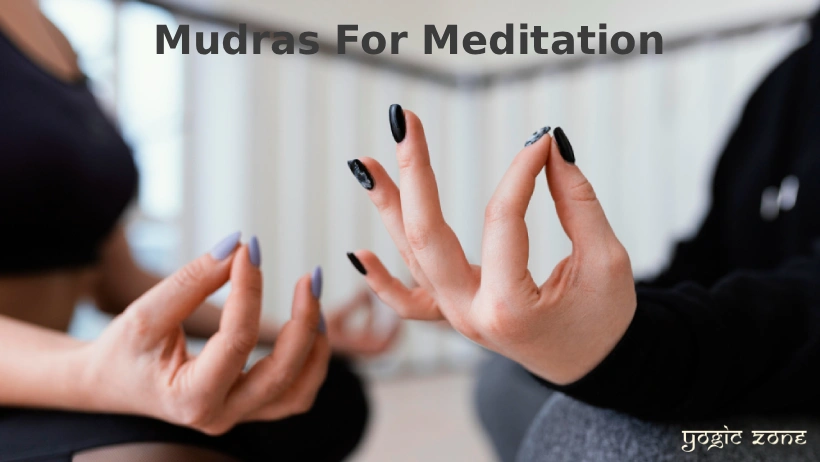
Mudras for meditation are subtle hand gestures used to support stillness, focus, and inner awareness during meditative practice. Rooted in classical yoga and meditation based traditions, these gestures work quietly, influencing mental states and energy flow without physical effort. Because they require minimal movement, mudras are accessible to people of all ages and abilities.
Unlike dynamic practices, meditation mudras are inward-focused. They are designed to steady the mind, regulate the nervous system, and support sustained awareness. This makes them especially valuable in today’s fast-paced lifestyle, where mental rest is often difficult to achieve.
As someone who teaches yoga and meditation, I have consistently observed that students who integrate mudras for meditation into their practice find it easier to settle, stay present, and maintain focus.
Because mudras involve simple hand gestures, they are often underestimated. Yet when practiced regularly, they can bring noticeable improvements in focus and inner steadiness.
What Are Mudras for Meditation?
Mudras for meditation are hand positions that help stabilise attention and guide pranic flow during seated practice. This is why they are often recommended alongside meditation, pranayama, and seated asana practice, particularly for those developing breath awareness, as explained in pranayama practices for beginners.
In classical yoga texts, mudra means a seal, while bandha refers to a lock. Together, they help regulate praṇa, the vital life force. Meditation mudras act as energetic seals, supporting inward movement of awareness rather than outward activity.
Why Mudras Are Important in Meditation Practice
Meditation mudras help calm the mind without physical strain. They offer a gentle way to influence mental focus, emotional balance, and energy flow.
These hand gestures are especially useful for:
• Beginners who struggle with mental restlessness
• Seniors or those unable to practise long asana sequences
• Practitioners seeking deeper meditative absorption
Because mudras can be practiced anywhere and require no equipment, they become sustainable tools for long-term meditation practice.
Do you have any doubts or questions about this article?? I am Dr. Aradhana Singh, the author, and I would love to hear from you. Send me your question now!
How Mudras Work on the Mind
Mudras influence the nervous system through finger-brain connections. The fingertips contain dense nerve endings that communicate directly with the brain.
According to yogic philosophy, the hands act as miniature maps of the entire body. When specific fingers touch, corresponding elemental and energetic pathways are activated. Over time, this supports steadier attention, emotional regulation, and improved awareness during meditation.
Five Elements of Yoga Philosophy and Finger Connections
Each finger represents one of the five elements. Balancing these elements supports inner harmony and mental steadiness.
| Finger | Element | Associated Qualities |
|---|---|---|
| Thumb | Agni (Fire) | Energy, willpower, transformation |
| Index Finger | Vayu (Air) | Movement, clarity, awareness |
| Middle Finger | Akasha (Space) | Openness, intuition |
| Ring Finger | Prithvi (Earth) | Stability, grounding |
| Little Finger | Jala (Water) | Flow, emotional balance |
Understanding these connections helps practitioners choose appropriate mudras without overcomplicating their practice.
Common Mudras and Their Benefits
The following mudras are commonly used to support focus and calmness during meditation.
| Mudra | Primary Benefits | |
|---|---|---|
| Gyan Mudra (Gesture of Knowledge) | Improves focus, memory, mental clarity | |
| Prana Mudra (Gesture of Vital Energy) | Supports energy balance and alertness | |
| Apana Mudra (Gesture of Elimination) | Encourages grounding and inner stability | |
| Chin Mudra (Gesture of Consciousness) | Promotes calm awareness and presence | |
| Shunya Mudra (Gesture of Emptiness) | Supports sensory quietening and mental ease |
For proper understanding and safe practice, I strongly advise learning the detailed mudra techniques from your yoga teacher, and where seated comfort or hand support is required, understanding how yoga props support seated meditation practices may also be helpful.
These mudras are typically practiced during meditation or alongside gentle breathing and seated asanas. For correct technique and suitability, learning directly from a yoga teacher is always recommended.
Mudras vs Asana Practice
Asanas work on the body; mudras work on awareness. While asana builds strength and flexibility, meditative hand mudras influence subtler aspects such as attention, breath, and energy flow.
Many practitioners combine seated asana with meditation mudras to create a balanced practice that supports both physical comfort and mental steadiness.
Are Mudras Scientifically Relevant?
Modern research recognises the hand–brain connection. Finger stimulation is linked to neural activation, relaxation responses, and stress regulation.
While classical texts explain mudras through praṇa and elemental theory, contemporary neuroscience increasingly supports their role in calming the nervous system and improving focus. This makes mudras relevant in modern wellness and therapeutic settings.
Common Mistakes in Mudra Practice
Treating mudras as quick fixes reduces their effectiveness. Mudras work gradually and require consistency. Some of the common issues include:
- Practicing without guidance
- Holding unnecessary tension in the hands
- Ignoring individual suitability
Learning from a trained teacher ensures that mudras support meditation rather than distract from it.
Mudras for meditation remind us that depth in practice does not always come from effort. These simple hand positions quietly support focus, awareness, and calm when practiced with patience and regularity.
In my experience as a yoga and meditation teacher, those who remain consistent with meditation mudras often notice lasting changes in how they sit, breathe, and respond to life.
Do you have any doubts or questions about this article?? I am Dr. Aradhana Singh, the author, and I would love to hear from you. Send me your question now!
Frequently Asked Questions About Mudras for Meditation
What are mudras for meditation used for?
Mudras for meditation support focus, emotional balance, and calmness by stabilizing attention and regulating subtle energy during seated practice.
Can beginners practice mudras?
Yes. Mudras are suitable for beginners, as they require no flexibility or strength and can be practiced gently under guidance.
How long do mudras take to show results?
Some people feel calm quickly, while deeper benefits usually appear after weeks of consistent meditation and mindful mudra practice.
Are mudras for meditation safe for seniors?
Yes. Meditation mudras are gentle and involve minimal movement, making them suitable for seniors when practiced comfortably.
Can mudras replace meditation itself?
No. Mudras support meditation but do not replace it. They enhance awareness and focus during the meditative process.
What is the best time to practice mudras?
Morning is often preferred, but mudras can be practiced anytime the mind is relatively calm and undisturbed.
Do mudras for meditation work without pranayama?
They can work independently, but their effects deepen when combined with conscious breathing or pranayama.
Can mudras for meditation help with stress?
Yes. By calming the nervous system and supporting mental focus, mudras for meditation are widely used for stress management.