
This article is written by Chintan Mehta. Certified yoga teacher with a 900-hour advanced teachers training | Diploma in Yoga from Mumbai University | Individual and group yoga trainer, therapist, counsellor, and meditation coach. Know more about Chintan Mehta.
When students ask me which brand of yoga mat to buy, I always say that yoga mat thickness matters more than brand, colour, or price. In my 12+ years of teaching beginners, seniors, prenatal students, and office professionals, I have seen many people choose a mat because it looks nice, then learn the hard way.
The wrong thickness can strain your knees, wrists, and back over time. It affects comfort, balance, and joint safety in every posture. This yoga mat thickness guide will help you choose the best option for your personal needs.
Yoga Mat Thickness Guide — Pros, Cons & Best Uses
Remember, it isn’t just a purchase — it’s choosing cushioning that supports your body, floor type, age, mobility, and style of yoga.
| Thickness | Best For | Pros | Cons |
|---|---|---|---|
| 1–3mm (Thin) | Travel, advanced practitioners | Portable, easy to carry, good ground feel | No cushioning, not ideal for knees |
| 4–5mm (Standard) | Beginners, all-round practice | Good balance of comfort + stability | Can feel firm on tile/marble floors |
| 6–8mm (Thick) | Seniors, restorative yoga, heavier body types | Great joint support, soft feel | Slightly reduces stability in balance (more noticeable in 8mm mats and above) |
| 8–10mm (Extra Thick) | Prenatal, sensitive joints, home practice | Maximum cushion, comfortable | Bulky, less portable, slightly unstable |
If you’re buying a mat for the first time, you may also want to read the blog on What to Look for in a Yoga Mat, where grip, texture, and material quality are explained in detail.
Why Thickness of Yoga Mat Matters
Choosing the correct mat thickness is about balancing comfort and control:
- Good cushioning prevents knee, wrist and spine discomfort
- A stable surface improves standing and balance postures
- Thicker mats are better for hard Indian flooring (marble, granite, tiles), but they are a little unstable beyond 8 mm.
- Thinner mats travel well and help you feel the ground
On hard Indian floors like marble, granite, or tile, 6 mm is ideal. It adds enough cushioning to protect joints without feeling too soft or unstable. Thinner mats (4–5 mm) can feel harsh on the knees, while thicker mats (8 mm+) may reduce stability in balance poses like Vrikshasana or Warrior III.
For a deeper understanding of thickness, grip, and material, Yoga International offers a practical guide on choosing a mat that supports your style and body.
What Is the Best Thickness for a Yoga Mat?
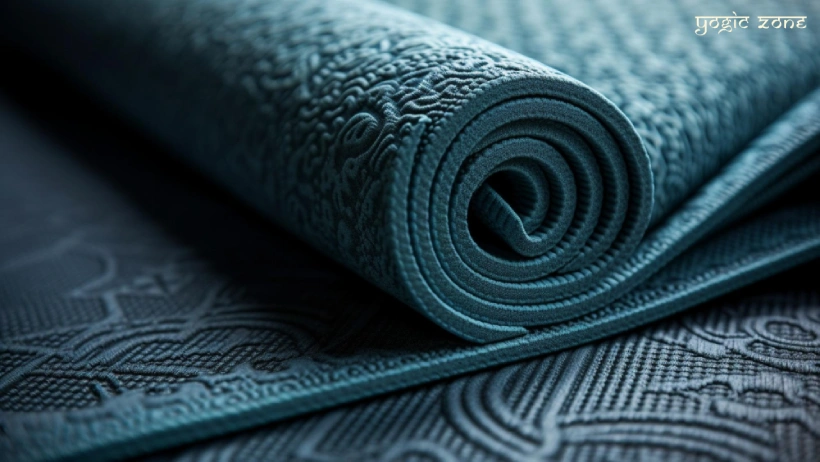
The best thickness depends on your body, floor type, and style of practice. Use this guide to understand how different mats feel and which thickness works best for you. Here’s a quick look at the four main thickness options.
1–3 mm Yoga Mats (Thin Travel Mats)
Lightweight, foldable, and perfect for travel and placing over yoga class mats for hygiene. Best for experienced practitioners who want a strong ground connection.
4–5 mm Yoga Mats (Best for Beginners)
This thickness of yoga mat is most common in India. It is ideal for beginners, students practicing Surya Namaskar, and regular home practice.
6–8 mm Yoga Mats (Joint-Friendly)
Suitable for restorative yoga, senior citizens, and practitioners with wrist or knee discomfort. Great for marble or granite floors.
8–10 mm Yoga Mats (Extra Comfort)
Extra thick yoga mats are best for prenatal yoga, pregnancy back pain, seniors, and heavy body types. Ideal for home practice, but less stable in balancing asanas like Vrikshasana.
Do you have any doubts or questions about this article?? Chintan Mehta, the author, would love to hear from you. Send us your question now!
Best Mat Thickness by Body Type
| Body Type / Need | Recommended Thickness |
|---|---|
| Beginners | 4–5mm |
| Lean / Athletic build | 4mm |
| Heavy body type | 6–8mm |
| Seniors / Joint pain | 8mm+ |
| Prenatal yoga | 8–10mm |
| Travel or studio classes | 1–3mm |
| Hard tiled floor at home | 6mm |
Yoga Mat Material Matters
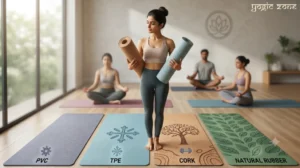
The material of your mat affects grip, durability, and comfort just as much as mat thickness. In India, we usually practice on marble, granite, or tile floors, so choosing the right material makes a noticeable difference in support and stability.
- TPE mats – Lightweight, easy to carry, and budget-friendly. A good option if you’re just starting out.
- Natural rubber mats – Excellent non-slip grip and strong joint support. They are durable but slightly heavier to carry.
- EVA foam mats – Soft and cushiony, but they can compress over time, especially for heavier body types.
- Cotton or jute mats – Feel natural and absorb sweat well, but don’t offer as much grip during standing postures.
In my experience teaching beginners in India, TPE and natural rubber are usually the best choices for home practice because they balance comfort, stability, and price. (For seniors and knee support, I recommend natural rubber or high-density TPE.)
Once you know the best thickness for your body, the next step is understanding different materials and surfaces. You can go deeper in my blog on types of yoga mats.
4 mm vs 6 mm Yoga Mat — Quick Comparison
Most first-time buyers narrow their choice to 4 mm or 6 mm because these are the two most common thickness options. Use this quick comparison to decide which one suits you better.
| Feature | 4 mm Mat | 6 mm Mat |
|---|---|---|
| Cushioning | Moderate comfort | Higher comfort |
| Joint Support | Basic | Strong |
| Balance Stability | Excellent | Good |
| Best For | Beginners, studio practice, travel | Home practice, sensitive joints |
| Floor Type | Softer floors, wooden surfaces | Marble, tile, granite floors |
In my experience, 4 mm works well for younger beginners and classes, while 6 mm feels more comfortable for daily home practice on hard Indian floors.
Your yoga mat should feel like an extension of your body. Choosing the correct yoga mat thickness makes practice comfortable and consistent.
Do you have any doubts or questions about this article?? Chintan Mehta, the author, would love to hear from you. Send us your question now!
Frequently Asked Questions About Yoga Mat Thickness
What is the best yoga mat thickness for beginners?
A 4–6 mm mat works best for beginners. It gives enough cushioning to protect knees while still keeping you stable in standing and balancing poses.
Is 6 mm a good yoga mat thickness?
Yes, 6 mm is ideal for daily practice. It supports joints during kneeling and seated poses while maintaining balance in Surya Namaskar and standing asanas.
Which is better — a 6 mm or 8 mm yoga mat?
6mm offers better balance, while 8mm provides extra comfort for sensitive knees and wrists. Choose based on your joint needs and the hardness of your floor.
What mat thickness is best for hardwood or marble floors?
A 6–8 mm mat works best on hard floors such as tile, marble, or granite because it reduces pressure on knees, wrists, and hips during kneeling and sitting poses.
Which yoga mat thickness is best for knee pain or sensitive joints?
For knee pain, choose 8 mm or thicker with high-density foam or natural rubber. The extra cushioning protects joints and reduces discomfort during poses.
What is the best yoga mat thickness for pregnancy or prenatal yoga?
8–10 mm thickness gives gentle support for wrists, knees, and back. It helps pregnant practitioners stay comfortable in slow, restorative prenatal flows.
What thickness yoga mat is best for travel and studio classes?
A 1–3 mm travel mat is lightweight, folds easily, and layers over studio mats for hygiene. It offers grip without taking up space in a backpack or suitcase.
Is an 8 mm yoga mat too thick for regular yoga practice?
8 mm mats feel very comfortable but may reduce balance in standing poses. They are best for home practice, seniors, restorative sessions, or joint-sensitive users.