
Yoga Educator | MSc Yoga | Traditional Hatha, Ashtanga & Vinyasa | Therapeutic Yoga for Blood Pressure | Cervical/Spinal Issues | Weight Management | Stress Management | Know more about Harshit Tyagi.
Yoga to reduce blood pressure is increasingly recognised as a supportive, non-invasive way to manage high blood pressure along with medical care and lifestyle changes. As more people experience work stress, irregular sleep, and sedentary habits, blood pressure issues are no longer limited to older adults. They are appearing earlier, often without obvious symptoms.
I have spent years designing therapeutic yoga programs specifically for people managing blood pressure. I would like to be very clear that yoga to reduce blood pressure is not a replacement for your doctor’s advice or medication. But it can become a powerful companion to your treatment plan.
Why Does Blood Pressure Rise When We Are Stressed?
Think about the last time you felt truly stressed—a work deadline, family conflict, or sitting in traffic. Your heart probably started beating faster, your jaw clenched, and your breath became shallow.
When you experience ongoing stress, your nervous system stays activated, your heart works harder, and your blood pressure climbs. Over time, this constant tension wears down your cardiovascular system, leaving you drained and irritable.
How Yoga Helps Your Body Lower Blood Pressure
Yoga to lower blood pressure works by teaching your nervous system how to relax again. Through gentle asanas and mindful breathing, your breath slows naturally, pressure on blood vessels eases, and your heart doesn’t have to work so frantically.
Students who arrive at my classes feeling tense gradually learn to breathe more deeply. Their faces soften, and with weeks of consistent practice, their blood pressure readings improve.
Key Physiological Benefits of Blood Pressure Yoga
| Benefit | How It Helps Blood Pressure |
|---|---|
| Reduced stress hormones | Lowers cortisol and adrenaline levels |
| Improved vessel elasticity | Blood vessels become more flexible |
| Better oxygen delivery | Mindful breathing increases circulation |
| Lower resting heart rate | Heart works more efficiently over time |
These subtle shifts accumulate over time. Your cardiovascular system learns to function more efficiently without being forced or strained. Gentle, slow-paced restorative asanas are best suited for supporting blood pressure control.
Can Yoga Reduce Blood Pressure Right Away?
This is one of the most common questions I hear. To be honest, practicing yoga to reduce blood pressure can provide immediate, temporary calming support, but it won’t instantly fix your BP readings. If you are having a hypertensive crisis, you need medical attention before you need a yoga trainer.
Gentle breathing exercises can provide relief in the moment—you might feel calmer, and your heart rate may slow slightly. But the real power of yoga for blood pressure comes from consistent practice over time. When you show up regularly, even just 20-30 minutes most days, your body begins to remember what relaxation feels like.
Do you have any doubts or questions about this article?? I am Harshit Tyagi, the author, and I would love to hear from you. Send us your question now!
How Your Nervous System Controls Blood Pressure
Your nervous system has two modes: action mode (sympathetic) and rest mode (parasympathetic). When you are constantly stressed, you get stuck in action mode.
Yoga to reduce high blood pressure helps flip this switch. Through gentle movement and conscious breathing, you signal to your brain that it’s safe to relax. Your blood vessels loosen, your heart beats steadier, and you become less reactive to stress.
This is especially valuable if you are dealing with work pressure, anxiety, or disturbed sleep. With regular practice, your heart develops greater resilience to everyday stress.
Best Yoga Asanas to Reduce High Blood Pressure
Not all yoga practices are appropriate for managing blood pressure. Intense styles or inversions can actually raise blood pressure temporarily. What you need are gentle, grounding asanas that calm your nervous system.
| Asana | How It Supports Blood Pressure |
|---|---|
| Tadasana (Mountain Pose) | Improves posture and encourages calm, steady breathing |
| Vajrasana (Thunderbolt Pose) | Supports digestion and creates a naturally relaxed state |
| Balasana (Child's Pose) | Deeply calming for the nervous system, reduces mental agitation |
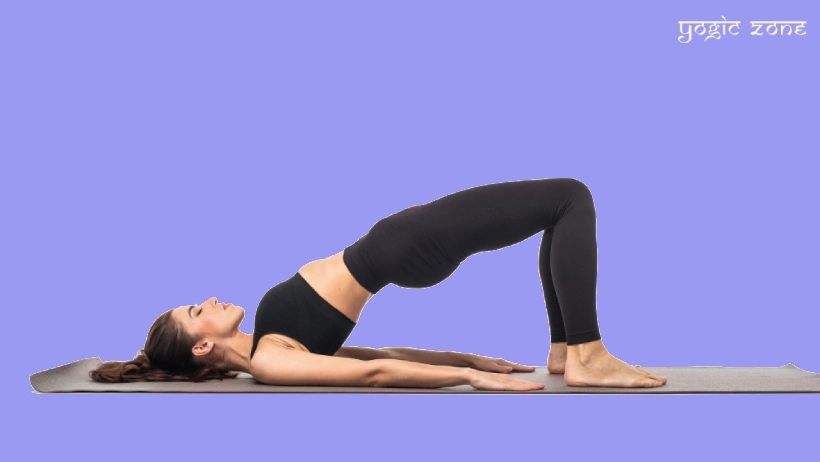
| Setu Bandhasana (Bridge Pose) | Improves circulation and supports heart and lung function |
| Supta Baddha Konasana (Reclined Bound Angle Pose) | Encourages deep relaxation and switches off stress response |
| Shavasana (Corpse Pose) | Allows complete integration and absorption of practice benefits |
Important: If you have uncontrolled blood pressure, avoid strong inversions like headstands and intense breathing practices involving retention or force. Always work with a qualified teacher who understands hypertension management.
Note: The asanas mentioned here are recommended by our qualified and experienced authors for general awareness and inspiration. We do not provide step-by-step instructions, as each individual’s physical condition and needs are unique. We strongly recommend learning yoga under the guidance of a qualified instructor who can offer personalised support and ensure safe practice.
Why Breathing Awareness Or Pranayama Matters for Blood Pressure
The way you breathe directly impacts your blood pressure. When you are stressed, your breathing becomes quick and shallow, keeping your nervous system on high alert.
Managing blood pressure naturally with yoga becomes significantly more effective when you bring awareness to your breath. I am not talking about complex pranayama techniques—those should be learned from a trained teacher. I mean simple breath awareness during your asana practice. A simple introduction to pranayama for beginners can help build awareness of slow, steady breathing in a safe and structured way.
Notice the natural rhythm of your breathing as you move. Feel your belly expand gently on the inhale. Allow your exhale to be slow and complete. This conscious attention activates your body’s calming responses and stimulates the vagus nerve, which helps regulate essential involuntary functions like heart rate and breathing, sending relaxation signals throughout your body.
How Yoga Changes Your Daily Habits
One of the most surprising benefits my students report is not about their yoga practice—it’s about how yoga shifts their everyday choices.
Yoga practice for blood pressure management improves your awareness of sleep patterns, eating habits, stress responses, and body tension. You start noticing things you overlooked before. This heightened awareness naturally leads to better choices—going to bed earlier, choosing healthier meals, and responding to stress more mindfully.
Research backs this up. A meta-analysis of yoga interventions for hypertension shows that structured yoga programs lead to meaningful improvements in blood pressure readings. Remember, yoga for high blood pressure works best as part of a complete approach that includes medical supervision, regular check-ups, and appropriate medication if prescribed.
Is Yoga Safe for Everyone with High Blood Pressure?
Yoga for hypertension is generally safe when adapted to your individual health condition and practiced with appropriate guidance. The table below summarises situations where extra care or professional supervision is recommended:
| Condition | Recommendation |
|---|---|
| Uncontrolled hypertension (>160/100) | Practice only under professional supervision |
| Recent cardiac events | Work closely with doctor and yoga therapist |
| Frequent dizziness | Start with extremely gentle movements only |
When to Practice Blood Pressure Yoga with Caution:
A recent Indian review on the therapeutic role of yoga in hypertension demonstrates that structured yoga-based lifestyle interventions can lead to clinically meaningful reductions in blood pressure when practiced safely and consistently.
Always inform your yoga teacher about your blood pressure condition before class. A good teacher will offer modifications and may suggest you avoid certain poses altogether.
Can Yoga Help You Maintain Healthy Blood Pressure Long-Term?
This is where yoga truly shines. Yoga to reduce blood pressure supports long-term balance rather than offering quick fixes.
Consistency matters far more than intensity. You don’t need two-hour daily practices. Even 20-30 minutes of mindful practice four to five times a week can support calmer breathing, improved circulation, and steadier emotional regulation.
I have worked with students who have been practicing for years. They handle stressful situations with greater ease. Their bodies have learned what balance feels like and naturally return to that state even after difficult days.
Over time, yoga exercises to reduce high blood pressure help build a stable foundation for heart health that extends far beyond your time on the mat.
Do you have any doubts or questions about this article?? I am Harshit Tyagi, the author, and I would love to hear from you. Send us your question now!
Frequently Asked Questions About Yoga to Reduce Blood Pressure
Can yoga really help reduce high blood pressure naturally?
Yes. Yoga to reduce blood pressure lowers stress hormones, calms the nervous system, and improves circulation, supporting healthier blood pressure over time.
How often should I practice yoga to see changes in blood pressure?
Practicing yoga 4-5 times weekly is often effective. Consistency helps regulate stress responses and supports gradual improvement in blood pressure readings.
Is yoga safe for people already on blood pressure medication?
Yes, yoga is generally safe alongside medication, but should complement medical treatment, not replace it. Always inform your doctor and yoga teacher about your practice.
Which type of yoga is best for high blood pressure?
Gentle, slow-paced styles focusing on relaxation, breath awareness, and restorative asanas are best suited for supporting blood pressure control and nervous system balance.
Can beginners with no flexibility practice yoga for blood pressure?
Absolutely. Yoga to reduce blood pressure doesn’t require flexibility. Simple asanas and relaxation practices are effective even for complete beginners with limited mobility.
How long does it take to notice benefits from yoga?
Some people feel calmer within weeks, but measurable blood pressure changes usually appear after 6-8 weeks of regular, guided practice combined with healthy lifestyle habits.
Are there any yoga asanas to avoid with high blood pressure?
Strong inversions, forceful breathing techniques, and very intense practices should be avoided unless you are working with an experienced teacher familiar with hypertension management.
Can yoga help prevent blood pressure problems in the future?
Yes. Regular yoga practice supports stress management, heart health, and nervous system balance, reducing the long-term risk of developing hypertension and cardiovascular issues.