
Yogapreneur | International Yoga Alliance & Ministry of Ayush Certified | Iyengar-style-inspired Hatha Yoga | Restorative Yoga | Wellness | Prenatal | Yoga for Women’s Health | Yoga for Mental Health | Pranayama | Meditation | Yog Nidra. Know more about Charu Thukral
Living with PCOS can feel like your body is following a different rhythm altogether. Periods may become irregular, energy levels fluctuate without warning, and weight changes often occur despite genuine effort. Many women I work with describe feeling disconnected from their bodies and frustrated by symptoms that are difficult to predict or control.
From experience, I have seen that yoga for PCOS works best when approached gently and consistently. With my background in Yoga Anatomy & Physiology, I focus on practices that support hormonal regulation without placing additional stress on the body.
How Yoga Supports PCOS
Yoga for PCOS supports hormonal regulation, insulin sensitivity, nervous system calm, and long-term metabolic health. It enables improved blood circulation and oxygen delivery to cells and reproductive tissue.
PCOS is closely linked to metabolic imbalance and stress hormones. Through breath awareness, yoga helps regulate blood pressure, triglycerides, breathing and controls emotions. Through slow movement, mindful holding of asana, and breathing, yoga helps to reduce serum cortisol by increasing cortisol excretion, thus regulating the body’s stress response in turn improving PCOS symptoms.
A structured 12-week yoga program significantly improved metabolic parameters like weight, insulin levels, AMH, and ovarian morphology—plus boosted infertility-related quality of life in women with PCOS.
How Yoga Helps in PCOS
- Reduces stress hormones linked to hormonal disruption
- Supports steadier blood sugar regulation and weight balance
- Encourages healthy pelvic and abdominal circulation
- Improves sleep quality and emotional stability
- Helps regulate mood swings and anxiety by calming the nervous system
- Improves reproductive functions by regulating endocrine systems and balancing neuronal hormones
Why Gentle and Consistent Yoga Matters for PCOS
A gentle yoga approach for PCOS works best when practiced steadily rather than intensely, supporting long-term hormonal balance. Aggressive or high-intensity workouts can sometimes worsen fatigue, inflammation, or hormonal stress in women with PCOS.
Yoga offers a more sustainable approach that works with the endocrine system rather than overstimulating it. Consistency helps the body settle into predictable rhythms, which is especially important for menstrual regularity and ovulatory health.
Do you have any doubts or questions about this article?? I am Charu Thukral, the author, and I would love to hear from you. Send us your question now!
Recommended Asanas for PCOS Management
I recommend these asanas as part of a supportive yoga routine for PCOS to encourage hormonal balance, circulation, and nervous system calm.
| Asana | How It Supports PCOS |
|---|---|
| Supta Baddha Konasana (Bound Angle Pose) | Improves blood circulation in the pelvic region, supports ovarian health , calms and quietens the mind |
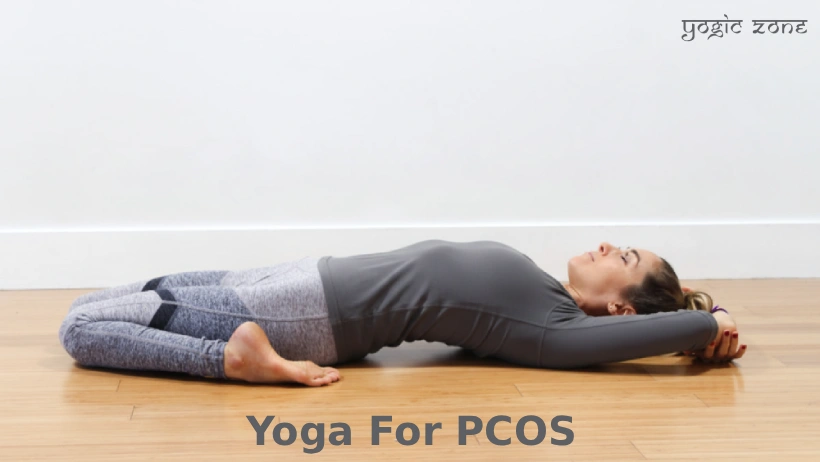
| Supta Veerasana (Reclined Hero pose) | Stimulating and massaging abdominal and reproductive organs and promoting hormonal balance |
| Setu Bandhasana (Bridge Pose) | Supports thyroid function and hormonal regulation |
| Malasana (Yogic Squat) | Releases pelvic floor tension, aids digestion |
| Paschimottanasana (Seated Forward Bend) | Calms the nervous system and reduces stress hormones |
| Viprit Karni Mudra (legs up the wall) | With naturally improved blood flow to pelvic it aids in natural healing of the region as well as quietens the mind |
These asanas are usually practiced in slow, gentle sequences that focus on breathing rather than physical effort. With regular practice, many women report feeling more supported in managing their PCOS symptoms.
Note: The asanas mentioned here are recommended by our qualified and experienced authors for general awareness and inspiration. We do not provide step-by-step instructions, as each individual’s physical condition and needs are unique. We strongly recommend learning yoga under the guidance of a qualified instructor who can offer personalised support and ensure safe practice.
A systematic review and meta-analysis from AIIMS Rishikesh found yoga therapy significantly reduced menstrual irregularity, hyperandrogenism, fasting glucose, and insulin resistance in women with PCOS.
The Role of Stress Reduction in PCOS
Stress management is central to yoga-based support for PCOS, as chronic stress directly affects hormonal and metabolic health. Similar stress-regulating practices are also used in yoga to reduce blood pressure, where calming the nervous system is a primary focus.
Many PCOS symptoms worsen when the body remains in a constant stress response. Yoga helps your body shift from constant stress state (sympathetic mode) to deep relaxation state (parasympathetic mode).
This shift supports:
- Better hormonal communication
- Reduced sugar cravings and fatigue
- Improved emotional regulation
How Often Should Beginners Practice Yoga for PCOS?
Even 20–30 minutes of regular yoga practice for PCOS, practiced most days of the week, can support gradual symptom improvement.
Beginners often benefit from shorter, regular sessions rather than occasional long practices. I often encourage the use of simple supports for comfort and stability, as explained in our guide on yoga props for beginners.
In my practice, I usually suggest the following routine:
- Frequency: 5–6 days a week, with rest days respected for hormonal recovery
- Duration: 20–30 minutes daily, or even 10 minutes on particularly busy days
- Timing: Morning practice supports energy; evening practice encourages better sleep.
- Style: Gentle, restorative, or Hatha yoga rather than intense Vinyasa flows or weight-bearing exercises
- Focus: Breath awareness matters as much as the physical asana.
Restorative practices and slower styles are especially supportive during phases of fatigue, irregular cycles, or emotional heaviness.
What Yoga Cannot Do for PCOS
Yoga for PCOS supports the body but does not replace medical care or eliminate PCOS. PCOS requires a multidisciplinary approach that may include medical guidance, nutrition, movement, and stress management.
Yoga helps create internal conditions where the body can respond better to treatment. It also improves self-awareness and reduces the anxiety that often accompanies long-term symptom management.
Approaching yoga with patience prevents frustration and supports sustainable results.
Yoga for PCOS is not about fixing the body but about creating conditions where balance becomes possible.
With steady practice, many women notice improved cycle awareness, better energy levels, reduced stress, and a healthier relationship with their body. When practiced consistently and mindfully, yoga for PCOS becomes a long-term support system rather than a short-term solution.
Do you have any doubts or questions about this article?? I am Charu Thukral, the author, and I would love to hear from you. Send us your question now!
Frequently Asked Questions About Yoga for PCOS
Should I try yoga for PCOS even if my periods are very irregular?
Yes. Irregular periods should not prevent you from starting yoga for PCOS. Gentle practices focus on calming the nervous system and improving body awareness, not cycle timing.
Do I need to practice yoga daily for it to help with PCOS symptoms?
Daily practice is not mandatory. Short, consistent sessions most days support nervous system balance better than occasional long or intense practices.
Can beginners with PCOS start yoga without prior experience?
Yes. Beginners can start with simple, slow poses and breath awareness. Yoga for PCOS is typically adapted to comfort rather than physical ability.
Is intense or fast-paced yoga better for managing PCOS?
Not usually. High-intensity styles may increase fatigue or stress. Gentle, steady yoga is generally preferred for supporting hormonal and metabolic balance.
Should I stop medical treatment if I start yoga for PCOS?
No. Yoga is a supportive practice and does not replace medical care. It works best alongside medical guidance, nutrition, and lifestyle support.
Can yoga alone cure PCOS over time?
Yoga does not cure PCOS. It helps create supportive conditions in the body, such as stress regulation and better awareness, which may aid overall management.
Is it necessary to use yoga props for PCOS practice?
Props are not necessary but can improve comfort and stability. They help beginners practice gently without strain, especially during fatigue or discomfort.
Can I practice yoga for PCOS during times of low energy or emotional stress?
Yes. Restorative and breath-focused practices are often suitable during low-energy phases, helping calm the nervous system without physical exertion.
How long does it take for yoga to show results in PCOS?
Energy and stress levels may improve within weeks, while menstrual and metabolic changes usually take several months of regular practice.
Can yoga help with weight gain caused by PCOS?
Yoga supports weight balance indirectly by improving insulin response, reducing stress-related eating, and supporting metabolism.
Can yoga improve irregular periods in PCOS?
Yoga may support cycle regularity by reducing stress and encouraging hormonal balance, alongside medical and lifestyle care.