
Kids Yoga Specialist | RYT-500 Educator | Author & Trainer | 20+ Years Experience | Mindfulness | Brain Gym | Child-Centric Wellness Programs | Curriculum Developer & Author. Know more about Jaya Dharamdasani.
As a certified yoga trainer who has been teaching children for years, I have seen how Yoga for Kids creates a strong foundation for healthier physical, emotional, and mental development. Children learn quickly when movement is fun, engaging, and imaginative, which is why kids yoga becomes such a life-changing practice.
These days, parents and schools across India increasingly adopt yoga for children to help kids manage stress, improve flexibility, and build resilience.
Why Is Yoga Important for Kids?
Yoga is no longer just a wellness trend—it has become an essential tool for children growing up in an overstimulated digital world. The importance of yoga lies in its ability to support holistic development:
- It strengthens the body naturally.
- It teaches emotional balance during stressful situations.
- It improves focus and mental sharpness
- It builds confidence and self-awareness.
I also recommend simple mindfulness techniques and basic Ashtanga ideas through stories, imagery, and rhymes. This helps children understand and absorb yoga values in a natural, playful way—like clay being gently shaped.
At Yoga for Kids I teach children life skills that go beyond just physical benefits, helping them handle academics, social interactions, and daily challenges with confidence.
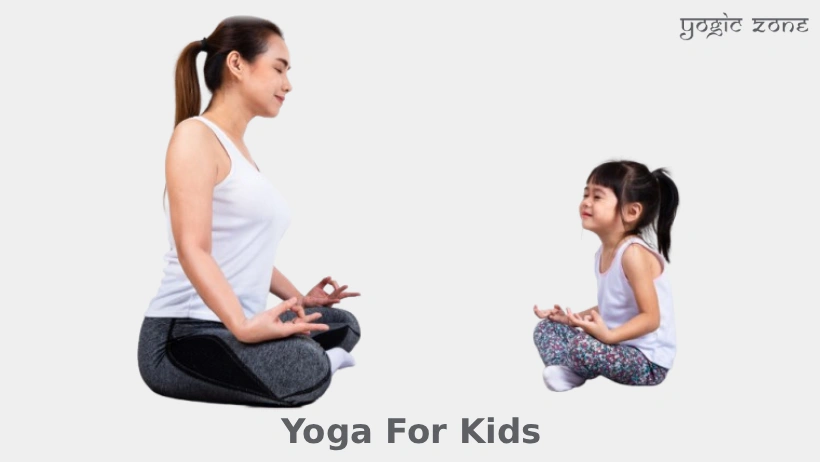
What Age Is Best to Start Kids Yoga?
One of the most common questions parents ask me is, “What age should kids start yoga?”
Based on my experience, kids can begin playful, guided children yoga asanas as early as 4 to 5 years. At this age, most children have adequate balance, body awareness, and attention span. Younger children or toddlers (2–3 years) can explore fun movements, animal-themed stretches, and breathing awareness, but structured asanas are best introduced after age five.
Do you have any doubts or questions about this article?? I am Jaya Dharamdasani, the author, and I would love to hear from you. Send us your question now!
Key Benefits of Yoga for Kids
Here is an overview of the benefits that kids yoga can offer:
| Development Area | How Yoga Helps |
|---|---|
| Physical Growth | Increases flexibility, posture, balance, and muscle strength |
| Emotional Health | Reduces anxiety and anger; boosts self-esteem |
| Mental Development | Enhances focus, attention span, and learning ability |
| Behavioural Balance | Encourages discipline, patience, and better self-regulation |
| Social Skills | Promotes teamwork, cooperation, and kindness |
Physical Benefits of Yoga for Kids
Children today spend long hours sitting—at school, in online classes, and with gadgets. This often leads to stiffness and early postural issues. Yoga asanas for kids help counter this, improving core strength, spinal alignment, and flexibility.
Additional benefits include:
- Better stamina
- Better movement coordination
- Reduced risk of childhood obesity
- Healthy muscle and joint development
Emotional Benefits of Yoga for Children
In my classes, I have noticed how children become calmer and more expressive through yoga. Simple breathing paired with gentle activity gives kids a natural way to release stress. Shy kids gain confidence, and hyperactive kids learn to relax. Yoga also promotes better sleep and emotional clarity.
Mental and Cognitive Benefits
Yoga trains the mind to stay present—a skill that’s highly beneficial for kids. With regular practice, kids experience:
- Improved concentration in studies
- Better memory
- Reduced impulse actions
- More clarity and problem-solving ability
This makes kids yoga a powerful addition to both home and school routines.
Recommended Asanas for Kids
Below are safe, engaging asanas that I commonly use in children’s sessions. I am sharing the benefits, not the “how-to,” as correct guidance should be given by trained instructors.
Yoga Asanas for Kids – At a Glance
| Asana | English Name | Benefits for Kids |
|---|---|---|
| Vrikshasana | Tree Asana | Enhances balance and concentration |
| Bhujangasana | Cobra Asana | Strengthens the spine, opens the chest |
| Balasana | Child’s Asana | Calms the mind, supports relaxation |
| Marjaryasana–Bitilasana | Cat–Cow Asana | Improves flexibility, boosts mobility |
| Utkatasana | Chair Asana | Builds leg strength and stamina |
| Tadasana | Mountain Asana | Encourages correct posture and grounding |
| Setu Bandhasana | Bridge Asana | Strengthens the back and supports emotional release |
Note: The asanas mentioned here are recommended by our qualified and experienced authors for general awareness and inspiration. We do not provide step-by-step instructions, as each individual’s physical condition and needs are unique. We strongly recommend learning yoga under the guidance of a qualified instructor who can offer personalised support and ensure safe practice.
Helpful Kids Yoga Accessories
Your kids don’t need much to start yoga, but the right accessories make it safer and more enjoyable. Explore our yoga props section to know how props help perfect yoga.
| Accessory | How They Help |
|---|---|
| Kids Yoga Mat | Ensures grip and cushioning |
| Soft Yoga Blocks | Supports balance and alignment |
| Yoga Straps | Helps improve flexibility safely |
| Printed or Colourful Mats | Makes practice more engaging |
Introducing Yoga for Children at Home
- Start with short and playful sessions.
- Let kids choose their mat or favourite asana.
- Keep the practice lighthearted—use storytelling, themes, or music.
This builds a positive relationship with yoga, ensuring consistency and genuine enjoyment.
Yoga for Kids is one of the most meaningful gifts we can offer our children. With just a few minutes of mindful movement each day, kids learn to balance their energy, express their emotions, and face challenges with confidence. When taught with care, yoga becomes an enjoyable habit that supports them throughout childhood and beyond.
Do you have any doubts or questions about this article?? I am Jaya Dharamdasani, the author, and I would love to hear from you. Send us your question now!
Frequently Asked Questions About Yoga for Kids
What is the best age to start yoga for kids?
Kids can start simple yoga at 4–5 years. Younger children can explore playful movements, but structured asanas work best once balance and focus develop.
Why is yoga important for kids?
Yoga builds strength, emotional balance, focus, and confidence. It helps kids manage stress, improve posture, and grow with healthier habits.
Is yoga good for children’s overall growth?
Yes, yoga supports physical strength, emotional stability, mental clarity, and better social behaviour, making it great for holistic development.
How often should kids practice yoga?
Practicing 3–4 times weekly for 10–20 minutes helps kids stay flexible, calm, focused, and more active without overwhelming their routine.
Is yoga safe for young children?
Yes, yoga is safe when guided well. Kids should learn gentle, age-appropriate asanas and avoid advanced movements without supervision.
Can yoga help kids with anxiety?
Yoga calms the nervous system and reduces anxiety. Balasana, Vrikshasana, and gentle breathing help kids feel relaxed and emotionally stable.
Do kids need a special yoga mat?
A kids yoga mat offers better grip, safety, and comfort. It keeps practice enjoyable and reduces slipping during playful movements.
Does yoga improve concentration in children?
Yes, yoga enhances concentration and attention span. Mindful movements and breathing help kids stay present and learn more effectively.
Is yoga good for special needs kids?
Yes, yoga can support special needs children by improving motor skills, emotional balance, focus, and body awareness when guided safely by trained instructors.