
Lead yoga trainer/ therapist | Yoga program director | MSc in yoga therapy | PG diploma in yogic science | YIC | YCB level-2 | Chronic diseases and mental health | Spiritual healing | Vedic chanting | Know more about Arun K.
Headaches have become increasingly common due to long screen hours, mental stress, poor posture, dehydration, and irregular daily routines. I find yoga for headaches very effective because it focuses on gentle, non-straining practices that encourage relaxation in the head, neck, shoulders, and nervous system, without pushing the body.
As a yoga therapist experienced in supporting people with chronic diseases and mental health challenges, I help clients manage stress and enhance overall well-being. Over the years, I have worked with many individuals struggling with headaches triggered by everyday pressures—long work hours, emotional ups and downs, travel fatigue, and lifestyle imbalances. I have witnessed how yoga therapy can bring comfort and ease during headache-prone times, offering both relief and strength.
Why Yoga Can Help with Headaches
Yoga helps by easing muscular tightness and calming the nervous system, both commonly involved in headaches. Many headaches are linked to tension in the neck, shoulders, upper back, or jaw, mostly triggered by long sitting hours, stress, or mental overload. Some people also feel tightness around the scalp or temples, especially during stress or long screen time.
A mindful yoga for headaches practice encourages slower breathing, relaxed movement, and better body awareness, along with simple breathing techniques for daily calm.
Over time, yoga may reduce the buildup of physical and mental strain that can contribute to frequent tension headaches. In a randomized controlled trial integrated yoga therapy reduced headache activity, medication use, and migraine-related anxiety and depression in chronic migraine patients.
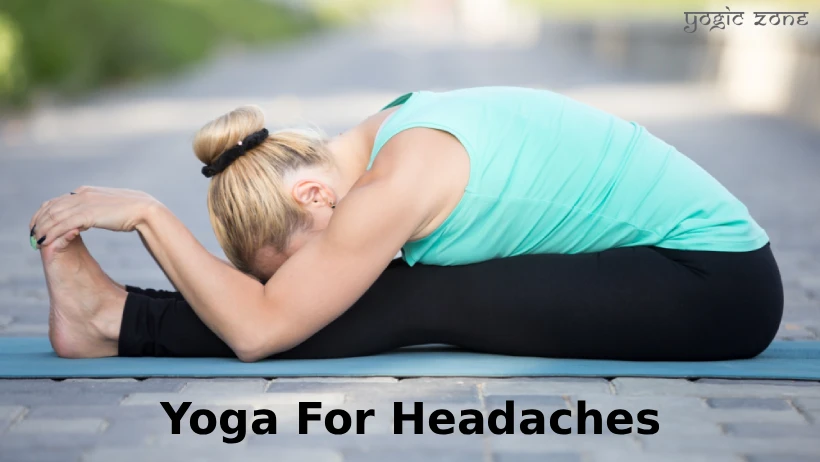
How Yoga for Headaches Helps Manage Common Headache Triggers
Yoga helps by addressing tension, shallow breathing, and nervous system overload commonly linked to headaches. A systematic review found that yoga can reduce headache frequency, duration, and pain intensity in chronic headache patients.
Most headaches are not sudden events. They often build up from long hours of screen time, poor posture, stress, dehydration, or irregular sleep. Yoga works gently with these patterns rather than targeting symptoms alone.
Common Headache Triggers and How Yoga Helps
| Common Trigger | How Yoga Helps |
|---|---|
| Neck and shoulder tightness | Releases muscular strain |
| Eye and jaw fatigue | Encourages relaxation |
| Stress and anxiety | Activates calming responses |
| Poor circulation | Improves blood flow awareness |
| Shallow breathing | Restores slow, steady breath |
By addressing these triggers gradually, yoga for headaches creates conditions that allow the body to reduce naturally. If your headache feels stress-related or posture-related, the goal is not intense stretching but gentle yoga and pranayama for stress relief and relaxation.
2-Minute Pranayama for “Instant” Relief
Bhramari pranayama (Humming Bee Breath), can quickly calm the mind and reduce stress-related pressure. If you are just starting, this guide on pranayama for beginners can help you practice it correctly.
This is one of my go-to options for quick yoga for headache relief because it is simple, quiet, and beginner-friendly.
Do you have any doubts or questions about this article?? I am Dr. Fiza Khan, the author, and I would love to hear from you. Send me your question now!
Pranava Chanting and Nadanusandhana: Deepening the Practice
Beyond Bhramari, classical Hatha Yogic texts introduce Pranava chanting and Nadanusandhana (inner sound awareness) as evidence-based practices for settling the mind and relieving head tension.
Pranava is made up of three distinct components—Aa, Uu, and Mm—each resonating in a different region of the body. Practiced in sequence, they encourage a natural release of physical and mental tension.
Simple Pranava (Om) Chanting for Headache Relief
Sit comfortably in a quiet space with your spine gently upright. Close your eyes and take one slow breath in. As you exhale, chant the three components of Om in a soft, calm voice:
- “Aa” — felt in the abdomen and lower chest; grounding and stabilising
- “Uu” — resonates in the chest and throat; opening and soothing
- “Mm” — felt as a gentle hum in the head and sinuses; calming to the nervous system
Repeat for 5–7 rounds, keeping the sound soft and the face relaxed. This practice, rooted in Nadanusandhana, encourages the mind to withdraw from external stimulation and settle into stillness — one of the gentlest ways to reduce tension headaches from within.
5 Easy Yoga Asanas for Immediate Headache Relief
The asanas below are simple, floor-based poses that help release tension in the neck, shoulders, and upper back while encouraging slower breathing. These natural headache relief techniques work as effective headache remedies when practiced mindfully.
| Asana Name | Primary Benefit | Best For | Duration |
|---|---|---|---|
| Balasana (Child’s pose) | Relaxes neck, shoulders, and upper back | Stress-related tension headaches | 2–3 minutes |
| Viparita Karani asana (Legs-Up-The-Wall pose) | Supports deep rest and calms the nervous system | Fatigue, overstimulation | 3–5 minutes |
| Marjaryasana–Bitilasana (Cat–Cow pose) | Mobilises spine and reduces neck stiffness | Tech-neck, posture strain | 1–2 minutes |
| Setu Bandha Sarvangasana (Bridge pose) | Opens the chest and counters slouching | Upper-back stiffness, posture-related discomfort | 1–2 minutes |
| Savasana (Corpse pose) | Promotes full-body relaxation | Most headache types, recovery | 3–5 minutes |
Safety note: Practice slowly and gently, and stop immediately if any asana increases pressure, dizziness, or discomfort.
Yoga for Headaches Asanas and How They help
1. Balasana (Child’s pose)
Balasana gently releases tension in the head, neck, and upper back.
How this asana helps
- Helps release tension from the forehead, temples, jaw, and facial muscles
- May ease the pressure-like feeling around temples and eyes
- Gives the spine a supported rest after long sitting hours
- Encourages slower breathing, useful during stress headaches or fatigue
2. Viparita Karani asana (Legs-Up-The-Wall pose)
Viparita Karani asana supports deep rest and mental calm.
How this asana helps
- Helps the body slow down after long working hours or travel
- Supports nervous system relaxation without effort
- May reduce a heavy or “full” feeling in the head linked to tiredness
- Feels especially soothing after prolonged screen use
3. Marjaryasana-Bitilasana (Cat-Cow pose)
Marjaryasana-Bitilasana gently mobilises the spine and releases neck stiffness.
How this asana helps
- Improves movement in the upper back and neck area
- Reduces stiffness from long sitting and screens
- Encourages steady breathing with safe, rhythmic motion
- Helps refresh posture awareness without strain
4. Setu Bandha Sarvangasana (Bridge pose)
Setu Bandha Sarvangasana opens the chest and supports posture-related release.
How this asana helps
- Gently lifts the chest and counters slouched sitting posture
- Helps release stiffness in the upper back and shoulder area
- Supports steadier breathing by creating space across the chest
- Useful when headaches feel linked to long hours of desk work
5. Savasana (Corpse pose)
Savasana allows full-body rest and encourages deep relaxation.
How this asana helps
- Helps the body come out of “fight or flight” mode
- Reduces muscular effort and mental stimulation
- Useful at the end of a short sequence for settling the breath
- Supports overall recovery when fatigue contributes to headaches
Completing the Practice: Pranayama and Mantra Chanting
The asana sequence above works best when it flows naturally into a few minutes of pranayama or Pranava chanting. Once you have completed Savasana, gently come to a comfortable seated position and allow the stillness of the pose to carry over into your breath and sound practice.
Whether you choose Bhramari or a few rounds of Pranava, keeping the transition quiet and unhurried helps the nervous system remain in a relaxed state rather than being jolted back into activity. Together, asana and Nadanusandhana form a complete practice — one that addresses the body, breath, and mind as a whole.
Beginner Tips: Practicing Yoga for Headaches at Home
- A calm environment makes yoga for headaches more effective and comfortable.
- Keep the lights dim and avoid bright screens
- Reduce noise and distractions (silent mode helps)
- Use a cushion or folded towel for support
- Sip water if you feel dehydrated (coconut water or lemon water can also feel refreshing)
Practice and Safety Considerations
In a holistic headache treatment routine, ease and awareness matter more than depth. Yoga should feel supportive, not demanding.
- Avoid these asanas during severe headache intensity, dizziness, extreme fatigue, or recent neck/back discomfort.
- Hold each pose only as long as it feels comfortable.
- Use yoga props when needed for better comfort and alignment support.
- Aim for short, consistent sessions instead of pushing for intensity.
- Avoid forcing stretches or holding the breath, as this can increase tension.
- Stop immediately if any posture increases pressure, discomfort, or dizziness.
How Often Should You Practice
Short, consistent practice is more helpful than long, intense sessions.
Even 10–15 minutes during early headache signs can be enough. Regular practice also supports posture, stress regulation, and awareness, which may reduce how often headaches arise.
Yoga for headaches is not about forcing relief but about easing tension, calming the nervous system, and supporting the body’s natural ability to relax. These five easy asanas can be part of a gentle, mindful routine that supports comfort during stressful or tiring days.
Complementing the asanas with pranayama practices such as Bhramari and Pranava (Aa-Uu-Mm) chanting — grounded in Nadanusandhana from Hatha Yogic tradition — enriches this experience by bringing the breath, sound, and awareness together in one complete practice. With patience and consistency, yoga becomes less about doing and more about allowing the body and mind to settle.
Do you have any doubts or questions about this article?? I am Dr. Fiza Khan, the author, and I would love to hear from you. Send me your question now!
Frequently Asked Questions About Yoga for Headaches
Which yoga is best for immediate headache relief?
Balasana (Child’s Pose) and Viparita Karani (Legs-Up-The-Wall) provide the fastest relief because they require minimal effort while maximizing relaxation. Combine any asana with Bhramari Pranayama for enhanced results.
Should I do yoga or take a Crocin for a tension headache?
Try yoga first for mild to moderate tension headaches—many find relief in 5-10 minutes without medication side effects. However, if your headache is severe, sudden, or accompanied by fever or vision changes, take appropriate medication and consult a doctor promptly.
Is it safe to do yoga during a severe headache?
Practice gentle, supported poses like Balasana (Child’s Pose) and Viparita Karani (Legs-Up-The-Wall), avoiding inversions or vigorous movements. Avoid yoga if your headache accompanies fever, blurred vision, or neck stiffness—these conditions require medical attention.
How many minutes of yoga is needed for a tension headache?
Five to ten minutes often provides noticeable relief, though 15-20 minutes give better results. For prevention, form a daily 10-15 minute routine. Quality matters more than duration, a mindful practice for ten minutes surpasses distracted movement for thirty minutes.
Which asanas should be avoided during a headache?
Skip inversions like Sirsasana (Headstand) and intense backbends like Urdhva Dhanurasana (Wheel Pose) during active headaches. Avoid vigorous practices that elevate heart rate and blood pressure. Focus on gentle, supported poses promoting relaxation without strain.
Which pranayama is best for headache relief?
Bhramari Pranayama (Bee Breath) is most effective for headaches—the humming vibration calms the nervous system and reduces tension within minutes. Nadi Shodhana (Alternate Nostril Breathing) balances energy and relieves stress-related headaches.
Can yoga help with headaches caused by screen time?
Yes. Screen-induced headaches stem from eye strain, neck tension, and poor posture. Practice neck rolls, shoulder shrugs, and Garudasana (Eagle Pose) to release upper body tension. Palming (covering closed eyes with warm palms) relaxes eye muscles.
Best 5-minute yoga routine for a headache while at work.
Practice seated Cat-Cow (20 rounds), seated forward fold (1 minute), seated spinal twist on both sides (30 seconds each), and finish with Bhramari Pranayama (five rounds)—all possible at your desk.
Can yoga help with headaches caused by acidity and gas?
Yes. Digestive issues frequently trigger headaches through the gut-brain connection. Vajrasana (Thunderbolt Pose) practiced after meals improves digestion, while gentle seated twists massage abdominal organs. Pawanmuktasana (Wind-Relieving Pose) specifically addresses gas-related discomfort.