
Certified yoga instructor with 900+ hours training from The Yoga Institute, Mumbai | Hatha & Ashtanga specialist | Workshop leader | Focus on strength, stress relief, holistic wellness. Know more about Drishti Joshi.
The journey to yoga often begins with a single step—or in this case, a single, mindful breath. If you have been thinking about a routine that offers both physical strength and deep mental calm, then Hatha Yoga for beginners is the right choice.
I am a qualified trainer and teach Hatha & Ashtanga Yoga, among other skills. I will share my simple guide to Hatha yoga for beginners, an ancient path that truly stands the test of time.
What is Hatha Yoga?
Traditional Hatha Yoga is the foundation for most modern styles and remains a beautiful, slow, deliberate, and accessible practice today. The word ‘Hatha’ comes from Sanskrit: ‘Ha’ symbolizes the sun (active/masculine energy) and ‘Tha’ the moon (receptive/feminine energy).
Hatha Yoga is the yoga of balance, aiming to harmonise the opposites within us. By using physical techniques and mindful breath, Hatha purifies both body and mind—preparing us for deeper meditation and personal growth.
The Five Steps of Traditional Hatha Yoga
While ancient texts like the Hatha Yoga Pradipika offer detailed guidance, I like to focus on five core elements that any beginner can master:
- Shatkarma/Kriyas: These are ancient cleansing or purification techniques for the internal organs. While some are advanced, even simple breathing exercises like Kapalbhati are considered Kriyas that cleanse the respiratory system and energise the body.
- Asanas: This is the physical practice most people associate with yoga. Hatha yoga asanas are held for longer periods to build stability, strength, and awareness.
- Pranayama (Breath Control): The deliberate regulation of breath (or prana, the life force) to clear the energetic channels (nadis) and steady the mind. This is a powerful tool for calm.
- Mudras (Gestures) and Bandhas (Energy Locks): These are techniques used to manipulate and lock prana within the body, steering the energy flow toward higher consciousness.
- Dhyana (Meditation): The ultimate goal is to lead the purified body and focused mind toward a state of single-pointed concentration and deep meditation.
Do you have any doubts or questions about this article?? I am Drishti Joshi, the author, and I would love to hear from you. Send us your question now!
Hatha Yoga for Beginners: Simple Asanas to Start With
As a beginner, you don’t need to worry about flexibility or advanced postures. The core of Hatha yoga for beginners lies in mastering the fundamentals and connecting movement with breath.
Here are a few beneficial hatha yoga asanas; I highly recommend including them in your routine. Remember, the focus is on stability and holding the asana with mindfulness, not just getting into the shape. Read our blog to know the benefits of the different types of yoga.
| Asana Name | Key Benefits |
|---|---|
| Tadasana (Mountain Pose) | Promotes good posture, strengthens thighs and ankles, grounds and stabilises the body |
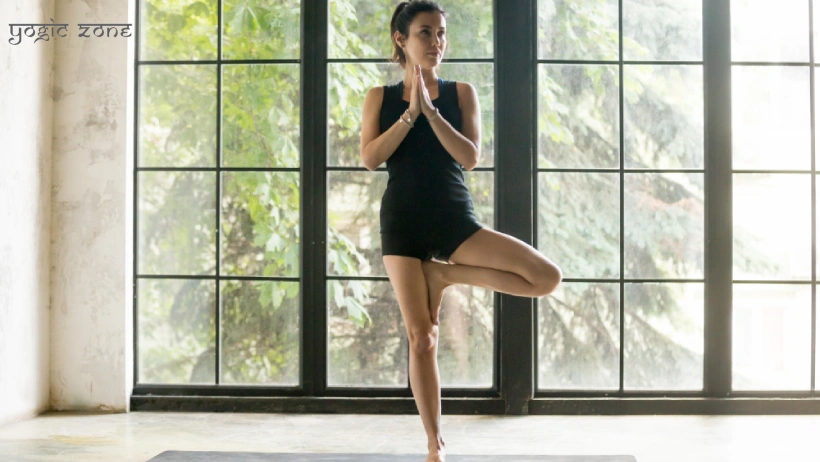
| Vrikshasana (Tree Pose) | Improves focus, concentration, stability; strengthens legs; teaches stillness in chaos |
| Bhujangasana (Cobra Pose) | Opens the chest, strengthens the spine, relieves mild stress and fatigue; ideal if you have a desk jobs |
| Adho Mukha Svanasana (Downward-Facing Dog) | Full-body strengthening and stretching; decompresses spine, calms nervous system |
| Paschimottanasana (Seated Forward Bend) | Stretches hamstrings, spine, shoulders; reduces stress/anxiety; promotes inner peace |
Note: The asanas mentioned here are recommended by our qualified and experienced authors for general awareness and inspiration. We do not provide step-by-step instructions, as each individual’s physical condition and needs are unique. We strongly recommend learning yoga under the guidance of a qualified instructor who can offer personalised support and ensure safe practice.
The Lasting Hatha Yoga for Beginners Benefits
Consistent Hatha practice brings profound physical, mental, and emotional improvements. I have witnessed better posture, reduced stiffness, and noticeably increased strength and flexibility in my own journey and my students.
Mentally, the discipline of staying present in each pose gradually silences inner chatter and allows you to respond to life with calmness. Regular practice is also known to help regulate the nervous system, a powerful tool for managing anxiety.
Your Hatha Yoga for Beginners Journey Starts Now
If you want a disciplined yet gentle way to improve your health, I urge you to begin with Hatha Yoga for beginners. Start slow, focus on your breath more than the poses, and remember: consistency wins over intensity. This ancient wisdom is not just about posture—it’s about living in balance, finding strength in stillness, and peace in movement.
Take that first step onto the mat. Your journey to a calmer, stronger you starts today.
Do you have any doubts or questions about this article?? I am Drishti Joshi, the author, and I would love to hear from you. Send us your question now!
Frequently Asked Questions About Hatha Yoga for Beginners
What is Hatha Yoga, and is it suitable for beginners?
Hatha Yoga is a gentle, traditional style of yoga that focuses on physical postures (asanas), breathing techniques (pranayama), and relaxation. It moves at a slower pace than many modern styles, making it especially suitable for beginners. It helps you learn proper alignment, body awareness, and mindful breathing without feeling rushed or overwhelmed.
What are the main benefits of practicing Hatha Yoga regularly?
Practicing Hatha Yoga regularly can improve flexibility, balance, posture, and muscle strength. It also supports mental well-being by reducing stress and calming the nervous system. Many people notice better sleep, deeper breathing, and a renewed sense of clarity and focus.
How do I get started with Hatha Yoga if I am a complete beginner?
Begin with short sessions—around 15–30 minutes—3 to 4 times a week. You can start with gentle asanas and slow breathing exercises. Follow a guided beginner class online or join a beginner-friendly yoga class to learn safe alignment. Focus on your breath and move slowly; there is no need to push or stretch beyond comfort.
What are some simple Hatha Yoga poses recommended for beginners?
Here are a few foundational asanas to try:
Tadasana (Mountain Pose)
Vrikshasana (Tree Pose)
Bhujangasana (Cobra Pose)
Adho Mukha Svanasana (Downward-Facing Dog)
Paschimottanasana (Seated Forward Bend)
These asanas are gentle, easy to learn, and help build strength and flexibility gradually.Are there any precautions or common mistakes beginners should avoid?
Yes—beginners often try to push too hard or imitate advanced flexibility influenced by online videos. Move slowly, breathe steadily, and avoid forcing your body into any asana that you are not prepared for. If you feel pain (sharp, pinching, or electric sensations), stop immediately. It’s better to stay slightly under your limit than to strain your muscles or joints.
What equipment or accessories do I need to start practicing Hatha Yoga at home?
A basic yoga mat is enough to begin. However, simple props can make your practice more comfortable:
A yoga block
A strap
A firm cushion or folded blanket for seated postures
You don’t need expensive accessories—just supportive items that help maintain proper posture.Is Hatha Yoga safe for people with back pain, joint issues, or low stamina? What precautions should I take?
Hatha Yoga can be very supportive for those with physical limitations because it is slow and mindful. However, it’s important to:
Inform your instructor about your condition (if attending class)
Avoid deep backbends or poses that create sharp discomfort
Use props to reduce strain
Start with shorter sessions and increase gradually.
If you have chronic pain or a medical condition, check with a healthcare professional before starting.My back hurts during asanas—am I doing it wrong?
Pain usually means something needs adjusting. Stop! Check your alignment, and don’t practice if in pain. I always tell beginners: listen to your body. Try using props, modify poses, and seek guidance if needed. Safety is more important than depth.