

RYT 200 Yoga Teacher | Yoga for Students | Weight & Stress Management | Yoga Therapy for preventive care and rehabilitation | Ashtanga Yoga | Pranayama | Meditation & Relaxation | Know more about Anamika Chakraborty.
What if I told you that just 15 minutes of yoga a day could sharpen your focus, support better memory, and even improve your marks? Instead of letting distraction become your daily habit, why not train your mind to stay clear and centered with yoga for students?
Yoga is increasingly recognised as a practical, life-changing tool for students navigating today’s demanding academic environment. Long study hours, extended screen time, and constant pressure to perform often leave the mind scattered and the body restless.
A consistent yoga routine between study sessions offers a structured way to calm the nervous system while keeping the body alert—making it easier to sustain focus. Unlike quick productivity hacks, yoga strengthens attention, supports healthy blood flow to the brain, and trains you to respond to stress with more stability.
In my work with stress management and yoga for students, I have noticed a consistent pattern: academic struggles are rarely due to lack of intelligence. More often, they stem from poor concentration, mental fatigue, and anxiety.
Yoga addresses these root challenges without adding another overwhelming task to your schedule—supporting student wellness while strengthening academic confidence and clarity.
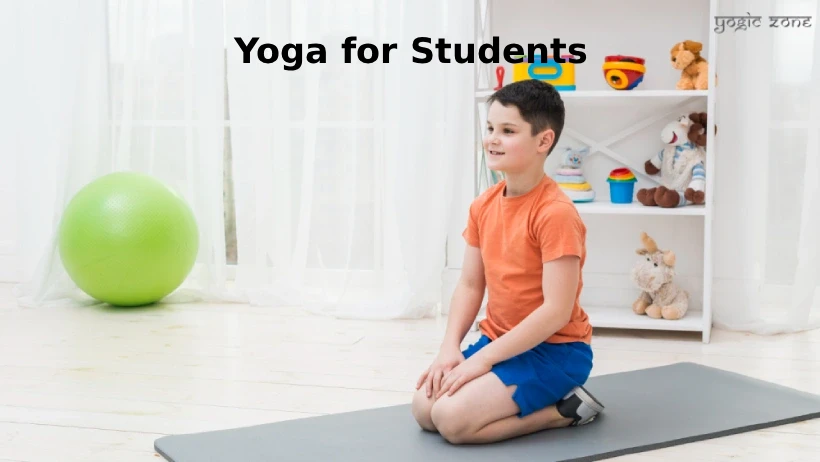
How Yoga for Students Supports Learning and Focus
Yoga significantly enhances students’s learning and focus by reducing stress and improving cognitive functions through mindful practices. Regular sessions promote better attention spans and memory retention, making it easier to absorb academic material.
These benefits align well with practices like Nadi Shodhana pranayama, Bhramari, and Kapalbhati pranayama. When the body learns to sit comfortably and breathe steadily, the mind naturally becomes more attentive and focused. If you are ready to explore, start with pranayama for beginners.
Key academic benefits include:
- Boosts memory, attention, and information processing.
- Lowers exam time anxiety and cortisol levels.
- Improves sleep and enhances energy for better information absorption during lectures.
- Increased mental stamina.
- Strengthen immunity.
- Increases attention span.
Do you have any doubts or questions about this article?? I am Anamika Chakraborty, the author, and I would love to hear from you. Send me your question now!
Cognitive Benefits of Yoga for Students
| Area of Learning | How Yoga Helps |
|---|---|
| Focus | Trains the mind to stay with one task, building better concentration techniques |
| Memory | Improves circulation and mental clarity, supporting information retention |
| Emotional balance | Reduces stress and performance pressure through mindfulness for students |
| Energy levels | Prevents burnout and mental exhaustion, sustaining academic performance |
Recommended Asanas for Academic Support
Based on my experience with students, I recommend the following yoga poses for studying, as they help support mental focus and alertness. The emphasis is on steadiness and awareness, not physical intensity. These asanas contribute to both physical wellness and improved cognitive function. Read about yoga’s neurophysiological effects on Cognitive Health published in the National Library of Medicine.
| Asana (Sanskrit) | Key Benefit for Students |
|---|---|
| Tadasana (Mountain Pose) | Improves posture and mental alertness, grounding the mind |
| Vrikshasana (Tree Pose) | Builds focus and balance, enhancing concentration |
| Padmasana (Lotus Pose) | Encourages calm concentration for extended study periods |
| Vajrasana (Thunderbolt Pose) | Supports longer sitting and digestion, ideal post-meal practice |
| Sukhasana (Easy Seated Pose) | Ideal for quiet study breaks and mindfulness practice |
These yoga poses for studying can be practiced individually or as a short sequence between study sessions.
If any student finds it difficult to manage time for yoga asanas, practices like Pranayama or breathing exercises such as Kapalbhati, Nadi Shodhana, and Kumbhaka can also help them achieve the key academic benefits of yoga.
Yoga vs Other Focus Techniques
Yoga works differently from mental drills or concentration-enhancing apps. It integrates breath, posture, and awareness, allowing focus to develop naturally rather than through use of force. This holistic approach to student wellness addresses multiple aspects of academic performance simultaneously.
| Method | Primary Impact |
|---|---|
| Yoga | Mind-body coordination, comprehensive student stress relief |
| Meditation apps | Mental focus only, limited physical benefits |
| Caffeine | Short-term alertness, potential energy crashes |
| Music | External stimulation, may distract from deep focus |
When comparing better concentration techniques, yoga stands out for its sustainable, long-term benefits without side effects. Read about the experiment on nursing students regarding the effect of Super Brain Yoga on concentration, memory, and academic progress.
Integrating Yoga into a Student’s Routine
A yoga practice does not require long sessions or special spaces. Short daily practice builds consistency and delivers long-term benefits. Making yoga part of your study techniques creates a foundation for academic success while supporting overall brain health for students.
Simple integration ideas:
- Morning practice before school or college to boost mental clarity for students.
- Small asana breaks between study sessions for student stress relief.
- Evening calming practice to improve sleep quality, reduce stress and enhance recovery.
- Weekend longer sessions for deeper stress management for students.
- Pre-exam yoga sequences to reduce anxiety and enhance focus.
Yoga for students is not about flexibility or physical fitness alone. It is a practical system that strengthens attention, memory, and emotional balance. When practiced consistently, it supports academic growth without increasing pressure.
For students navigating competitive learning environments, yoga becomes a quiet but powerful ally, offering sustainable better concentration techniques and comprehensive student wellness support. If you are just starting, this article on yoga for beginners will be helpful.
By incorporating these practices into your daily routine, you are not just improving your academic performance, but you are building lifelong habits that support mental clarity for students, emotional resilience, and overall well-being. This investment in brain health for students pays dividends far beyond the classroom.
Do you have any doubts or questions about this article?? I am Anamika Chakraborty, the author, and I would love to hear from you. Send me your question now!
Frequently Asked Questions About Yoga for Students
Should I start yoga if I already study long hours?
Yes. Yoga for students supports focus and mental stamina, helping the mind stay attentive during long study hours without adding cognitive overload.
Can yoga for students help if I feel distracted but not stressed?
Yes. Yoga improves attention control and body awareness, which can support focus even when stress is not the main issue.
Do I need flexibility to benefit from yoga for students?
No. Yoga for students focuses on posture, breathing, and awareness. Flexibility is not required to experience cognitive benefits.
Is it necessary to practice yoga daily to see academic benefits?
Daily practice helps, but even short, regular sessions a few times a week can support focus, memory, and mental balance.
Can yoga for students replace other concentration techniques?
Yoga does not replace study methods but complements them by improving attention, emotional regulation, and mental clarity.
Should I do yoga for students during exam preparation?
Yes. Gentle yoga and pranayama can support calm focus and reduce mental restlessness during intense exam preparation periods.
Is yoga for students useful if I already use meditation apps?
Yes. Yoga adds physical grounding and breath regulation, which can support focus beyond purely mental techniques.
Can short yoga sessions really help academic performance?
Short sessions can improve posture, attention, and mental steadiness, which together support more effective studying.
Can yoga improve memory in students?
Yes. Regular yoga improves memory in students, as practice improves blood flow to the brain and mental clarity, supporting better memory retention and recall.
Can yoga help students who feel mentally tired all the time?
Yes. Yoga reduces mental fatigue by calming the nervous system and improving energy levels for sustained academic performance.
When is the best time for students to practice yoga?
Morning practice supports alertness, while evening practice helps release stress and improve sleep quality.
Is yoga suitable for younger school students?
Yes. Yoga can be adapted for every age groups and helps younger students specially in development of focus and emotional regulation.