
Ayurveda Doctor | Clinical Ayurveda and Panchakarma | MSc Health & Yoga Therapy | PG Nutrition | Disease-Specific Yoga | Prenatal Yoga | Relaxation Techniques. Know more about Dr. Swathi Lakshmi.
Every winter, when air quality dips dangerously low, I am flooded with messages asking whether yoga for lung health can protect them from air pollution. The answer is yes. Yoga for the respiratory system strengthens and cleanses your breathing, helping your lungs cope better with smog. It also boosts immunity against pollution, supports energy levels, and builds emotional resilience even when the AQI is high.
Why Air Pollution Hurts Our Lungs
Air pollution deposits toxic particles in the lungs, causing inflammation, reduced capacity, coughing, and shortness of breath. During winter, most northern cities have high levels of PM2.5 (particulate matter of size 2.5 micrometers) in the air. These tiny particles travel deep inside the lungs and sit there for years.
That is why people living in polluted environments often feel tired, chest-tight, or breathless even without asthma. The good news is that yoga helps build respiratory strength, supports immunity, and improves air filtration in the nasal passages.
Why Yoga for Lung Health Matters
Yoga for lung health gives your lungs a daily “reset” by improving capacity, clearing mucus, and calming irritated airways. Research shows consistent yoga practice can improve key lung functions, such as how much air your lungs can hold and how quickly you can breathe it out, helping you breathe more air with less effort over time.
When I work with students in Indian cities, I see how traffic fumes, dust, and seasonal smog trigger cough, chest tightness, and constant fatigue. With regular yoga, my students often report fewer colds, less breathlessness while climbing stairs, and a greater sense of inner stability.
That is why I recommend yoga as a long-term support system for anyone exposed to air pollution.
How Yoga Protects You from Air Pollution
Yoga improves lung capacity, slows breathing, boosts oxygen intake, and supports natural detoxification. While your body cannot block all pollutants, it can become more efficient at handling them. I mostly focus on these three primary areas:
- Expanding lung capacity: Yoga for better oxygen intake strengthens the respiratory muscles and encourages deep belly breaths.
- Cleaning and strengthening the respiratory tract: Supports better circulation so that oxygen delivery improves even in high air pollution.
- Improving circulation and immunity: Slow mindful breathing also reduces inflammation and stress hormones, both of which are aggravated by pollution exposure.
This is where yoga for immunity against pollution becomes important: by calming the nervous system and improving sleep quality, yoga supports immune resilience. Many yoga practitioners notice fewer throat infections and quicker recovery when they stay regular with their practice.
Do you have any doubts or questions about this article?? I am Dr. Swathi Lakshmi, the author, and I would love to hear from you. Send us your question now!
Simple Yoga Asanas for Lung Health and Better Breathing
I usually recommend asanas that expand the chest, mobilise the spine, and engage the diaphragm. Think of these asanas as creating space and strength for better breathing, not just stretching.
Chest-Expanding and Lung-Expanding Asanas
| Focus area | Suggested asana | Main benefits |
|---|---|---|
| Chest | Bhujangasana (Cobra pose) | Opens the chest and improves lung elasticity |
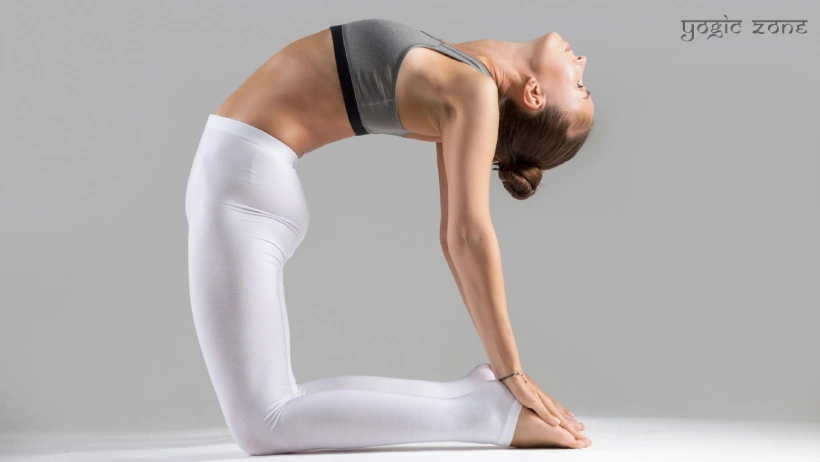
| Front body & chest | Ustrasana (Camel pose) | Expands the rib cage and improves breathing depth |
| Upper chest & rib cage | Hasta Uttanasana (Raised Arms pose) | Lifts the chest, lengthens the torso, and supports fuller inhalation |
| Side ribs (intercostal muscles) | Trikonasana (Triangle pose) | Improves flexibility of the small muscles between the ribs (intercostal muscles) for fuller inhalation |
| Whole body coordination | Surya Namaskar (Sun Salutation asana sequence) | Coordinates breath with movement, builds stamina and lung efficiency |
| Chest & heart region | Setu Bandhasana (Bridge pose) | Improves circulation and lung energy |
| Pelvis & lower abdomen | Supta Baddha Konasana (Reclined Bound Angle pose) | Encourages natural abdominal breathing and deep relaxation |
You can combine these with restorative asanas at the end of practice so the lungs “absorb” the benefits in a relaxed state. Know how restorative yoga helps you relax, restore, and rejuvenate.
Always work within your comfort zone and under guidance if you have any medical condition.
Yoga for Breathing Problems and Fatigue
Yoga for breathing problems and fatigue focuses on gentle breathing patterns in carefully chosen asanas. When posture improves, the diaphragm moves more freely and the nervous system calms down. As a result, breathlessness often decreases and energy levels naturally improve during daily activities.
Yoga is my go-to remedy when people come to me with chronic cough, mild asthma, unexplained tightness in the chest, or constant tiredness that doesn’t improve with rest.
Pollution also causes a kind of dull tiredness I call “pollution fatigue” – heavy head, low motivation, and mental fog. Yoga for pollution fatigue aims to gently charge the system through balanced asana, mindful rest, and simple breath awareness, so you finish practice feeling clearer and lighter, not exhausted.
Pranayama and Breathing Practices
Pranayama for air pollution can be a powerful support, but it must be used wisely. For most urban practitioners, I start with:
- Anulom Vilom (Alternate Nostril Breathing): Improves oxygen flow, calms the mind, and supports natural respiratory cleansing during pollution season.
- Nadi Shodhana (Alternate Nostril Breathing): Balances airflow and reduces inflammation.
- Bhramari (Bee Breathing): Releases stress from lungs and throat.
These practices encourage better oxygenation, support the parasympathetic (rest-and-digest) response, and may help the body clear mucus more efficiently.
Strong pranayama like Kapalabhati or Bhastrika is best learned directly from a qualified teacher, especially if you have respiratory or heart issues.
Daily Yoga for Respiratory System
I recommend 10–15 minutes of asana, 5 minutes of pranayama, and 2 minutes of rest to improve daily breathing.
- 3 chest-expanding asanas
- 1 relaxation asana
- 5 minutes pranayama
- 2 minutes silent rest
Even this short routine supports lung strength and reduces pollution fatigue.
As a trainer, I have seen real improvements in students practicing yoga for lung health — less coughing, better stamina, and calmer breathing even in polluted cities. Yoga cannot remove pollution, but it strengthens your body’s ability to deal with it. Start gently, observe how your lungs feel, and stay consistent.
Do you have any doubts or questions about this article?? I am Dr. Swathi Lakshmi, the author, and I would love to hear from you. Send us your question now!
Frequently Asked Questions About Yoga for Lung Health
Does yoga for lung health really help in polluted cities?
Yes, regular lung-focused yoga can improve capacity, reduce breathlessness, and support immunity even when AQI is high, as part of an overall health plan.
How often should I practice yoga for breathing problems?
Aim for at least 4–5 days a week with 20–30 minutes of gentle asana and simple breathing, increasing slowly as your comfort and stamina improve.
Which asana is best for lung health beginners?
Start with gentle chest openers like Bhujangasana and Setu Bandhasana and simple breath awareness, ideally under a qualified yoga teacher’s supervision.
Is pranayama safe in high air pollution?
Mild pranayama is fine indoors in clean air; avoid vigorous breathing practices when AQI is poor or if you have active asthma, chest infection, or dizziness.
Can yoga reduce my dependence on inhalers or medicines?
Yoga supports lung function but does not replace medical treatment; any change to inhalers or medicines must be guided only by your doctor or pulmonologist.
What is the best time to do yoga for lung health?
Early morning or evening in cleaner indoor air works best; avoid outdoor practice near traffic, construction, or visible dust, especially in winter months.
Is yoga for immunity against pollution suitable for seniors?
Yes, with chair support, gentle asana, and soft breathing, seniors can safely build lung strength and resilience, provided their doctor has cleared exercise.
How long before I feel results from yoga for lung health?
Most people notice easier breathing and better energy within 3–6 weeks of consistent practice, though deeper improvements build over several months.